



8 steps to creating a healthy home
Home is where you should feel safe, nourished and completely at ease, so creating a healthy environment where these needs are met is incredibly important. With the World Health Organization (WHO) focusing on actions that keep all humans and the planet healthy for World Health Day 2023, we considered what steps to take to ensure your home keeps you at your best, mentally and physically.
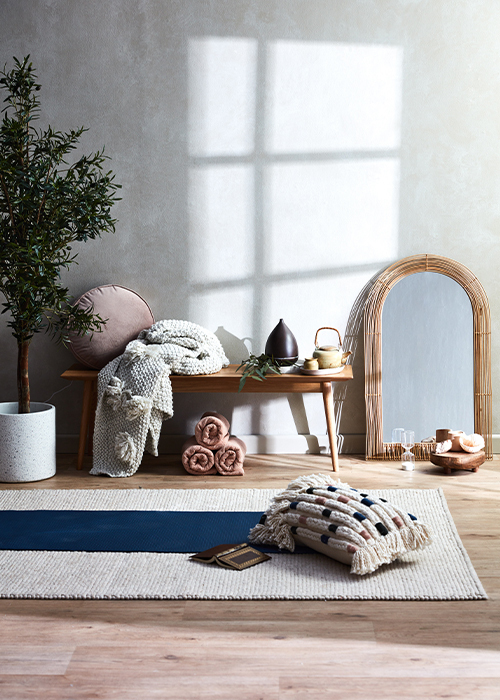
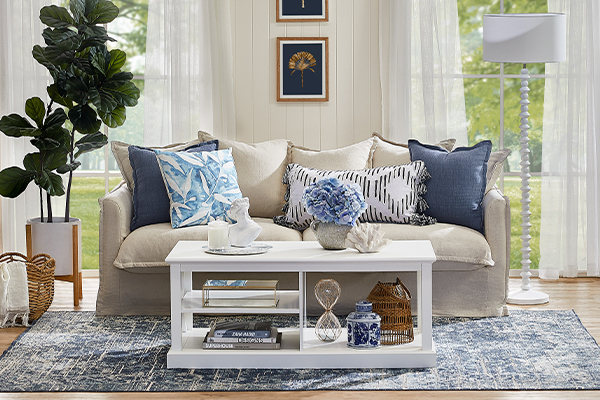
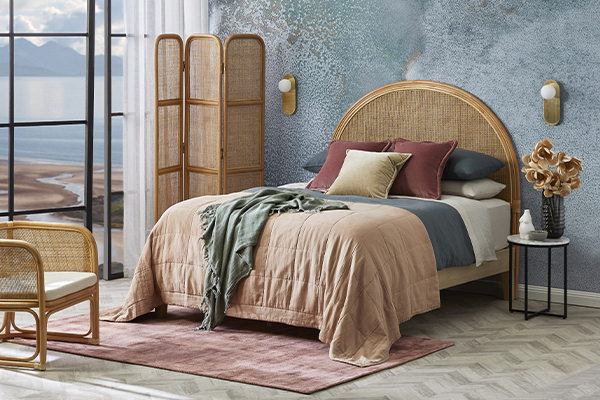
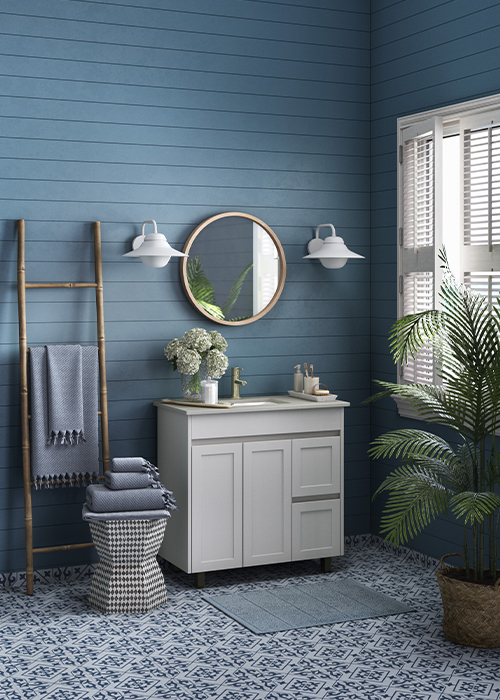
1. Determine what a healthy home means for you
Ask yourself what your home needs to provide to keep you healthy. If you are immune-compromised or have allergies, this might mean making sure spaces are regularly cleaned and free of allergy-inducing materials (see step 7). If mental health is a concern, creating spaces that are orderly or comforting might be the priority (see step 5). Take time to figure out how your home can best serve you.2. Look at your lighting
Letting in the sunlight throughout the day can not only benefit your mood by balancing your circadian rhythm but keep your space cleaner too. Ultraviolet light from the sun has the ability to destroy bacteria, which is why letting your washing air-dry in the sun is a great idea. Let more light in by opening curtains and blinds, keeping windows clean and using mirrors to amplify natural brightness. At night, use warm bulbs in your lighting fixtures or only use lamps to keep artificial light to a minimum and help you get to sleep easier.3. Let the fresh air in
Keeping your home well ventilated with fresh air reduces the concentration of contaminants, so crack open those windows and doors. Surprisingly, indoor air pollution levels in the home are commonly 2-5 times higher than outdoor pollution levels. A mere 15-20 minutes of fresh air flowing through the house daily can help air quality. Be sure to open windows and doors on opposite sides of the house for maximum airflow.4. Get on top of dampness and mould
Mould spores can cause irritation in the eyes, skin and airways when breathed in, and can trigger allergic reactions and asthma for those with sensitivities. It’s important to know how to prevent, identify and treat mould to avoid these reactions.Prevent
Use a dehumidifier or leave windows and doors open in areas of the home that can become damp such as bathrooms and kitchens. You should also wash shower curtains and liners regularly and use moisture-absorbing bags or cartons in areas that are not easily ventilated such as cupboards, wardrobes and pantries.Identify
While mould can sometimes look like dirt on some surfaces, it can also appear as a grey or white powdery or thread-like patch, as well as black, dark green or bring spots. Some moulds may also produce a musty or stale odour, so smell can be an indicator of a mould issue.Treat
If caught early enough, you should be able to remove common moulds like mildew using household cleaning products. However, if the colony is extensive or potentially dangerous, it’s wise to hire a professional cleaner!5. Organise the way that works for you
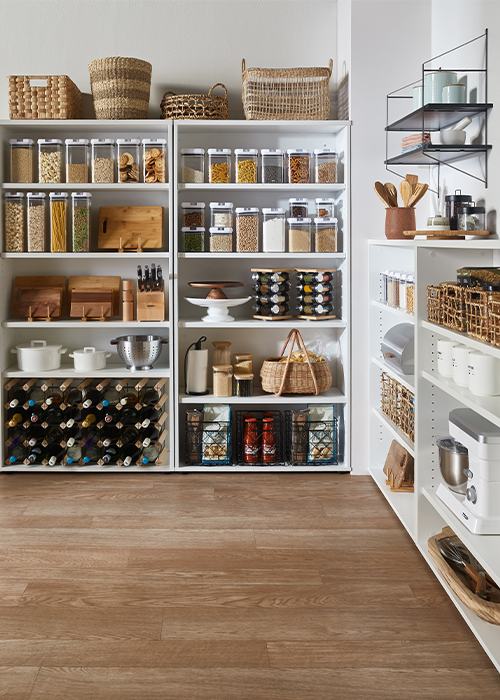
Having a neat and tidy home can help to organise your mind as well as prevent any trip or fall hazards. Clutter can also be a big collector of dust and pet dander, which can impact those with asthma and allergies. Organisation is specific to each individual and how you use things in your home, but to get you started, read about how to organise your home, room by room here.6. Keep your senses stimulated
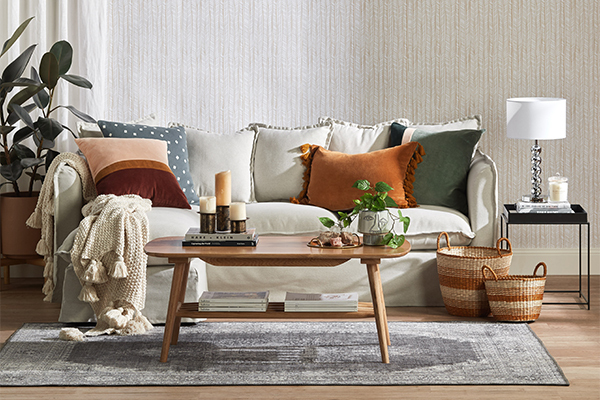
Engaging with smells, feels, sights, tastes and sounds that soothe you are a powerful way of making you feel at peace in your space. Cushions, bed linen, blankets and throws and even pieces of larger furniture like sofas and bedheads in tactile materials can help you feel grounded, while also creating beautiful eye-catching moments. Candles and diffusers are a great way to involve scent and sound. If you're worried about air pollution from candles, switch to soy-based candles which are non-toxic, made from a renewable resource and produce as much as 90% less soot than paraffin when burned.7. Consider allergy-friendly materials
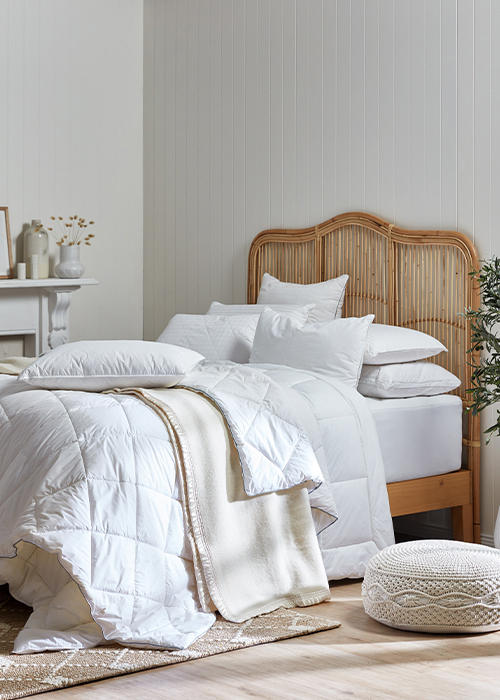
For allergy sufferers, material choice should be top of mind when it comes to reducing reactions. Allergen-proof mattresses and pillow protectors, hypoallergenic foam mattresses, bamboo or 100% cotton bed sheets and wool quilts and rugs are some of your best options. For more tips and information, check out our post on asthma and allergy-friendly materials here.8. Add life and colour
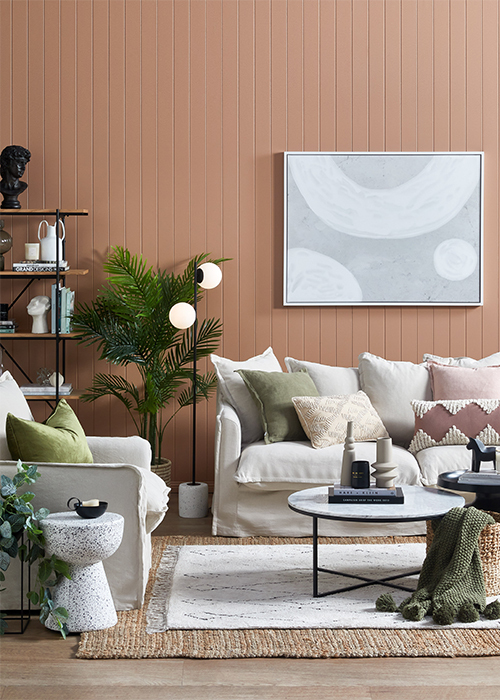
Bringing plants into your home is a handy way to help purify the air and add a pop of colour. If plant-parenting isn’t for you, faux plants and flowers still give you the mood boost without the hassle. Colour also plays a part in how you feel in a space, as your brain associates feelings and memories with certain shades. Stick to pale and muted tones to help you to feel relaxed, and keep a little variety in the palette as monochromatic looks can have a negative effect on your headspace. Have a look at styling your space to improve mental health for a better understanding of how colour and plants can impact your home.
Explore More








Head Office (No Showroom)
2/1-7 Unwins Bridge Rd, St Peters,
NSW 2044, Australia
Your customer reference #:
01-X-CSN