



Updated 10 February 2021
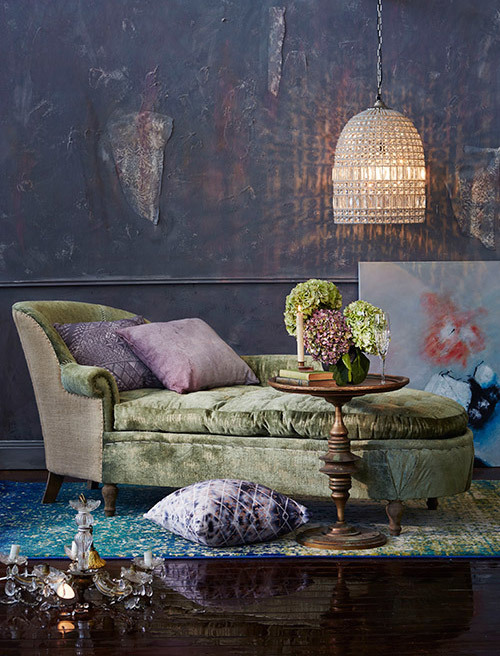
Karen McCartney explores the idea of the perfectly imperfect home.
Faded grandeur is not a look for everyone, as it requires a degree of preparedness to live with the frayed, the poetically peeling and the charmingly down-at-heel. What we are predisposed to admire in a French maison de maître or an Italian hilltop restaurant, with its exquisitely aged patina, can often feel much less comfortable as it darkens our own doors.
We are so much more tuned-in to the perfectly painted wall and neatly tailored upholstery that anything less feels shabby rather than stylish. But, as with all things in the decorating world, there are a number of entry points that allow the look to be embraced without living in a 16th century chateau.
Wall treatments are key as they are the largest expression of character and mood in a room. For some it is leaving the exposed layers of history of a house visible, for others it is using a lime-based paint (I found a great one named Potato Skin) which is a traditional formulation giving a rich, nuanced look that speaks of antiquity, but nods to modernity.
If frayed furnishings are a bridge too far then opt for fabrics with a faded tone, in muted shades and timeless floral patterns.
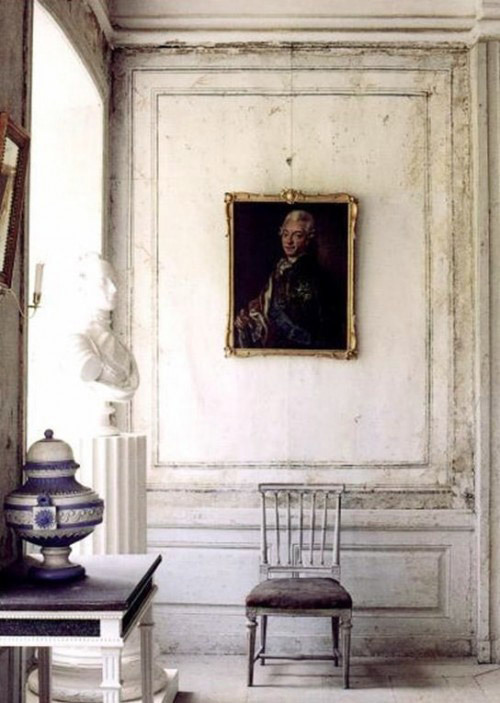
It is a look that takes well to being enriched through layering, so for authenticity add vintage throws and source lampshades that look as though they had a previous life in a stately home. A lack of perfection and the marks of an interesting past are part of the look otherwise, God forbid, they could be confused with replicas.
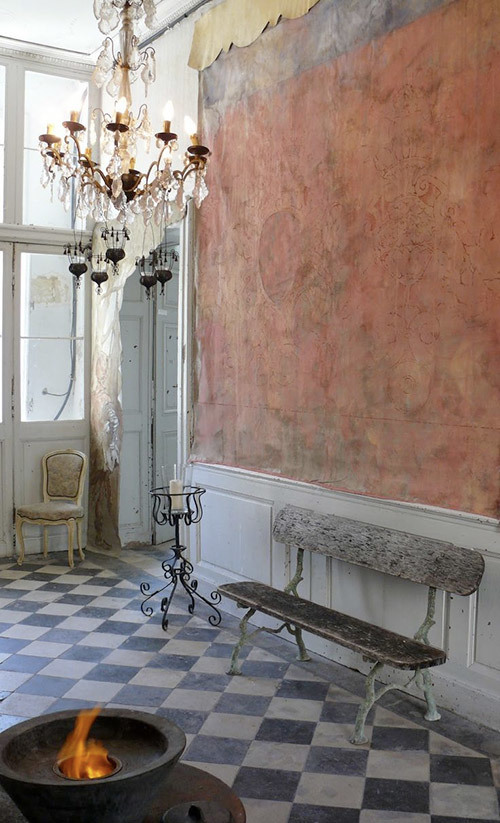
Art is a gift to those in search of this look, as it does not rely so much on expensive pieces but rather a well-curated wall of images.
Choose a theme – seascapes, floral displays or portraiture and hunt them down in charity shops, vintage stores and garage sales. It may take a while but sticking with the single focus of subject matter will pay dividends and you will be able to play with changes in scale and types of frames for a gallery wall effect.
And just like that, the new and shiny will lose its lustre and you'll find yourself embracing the perfectly imperfect.
The appeal of faded grandeur
Karen McCartney explores the idea of the perfectly imperfect home.
Faded grandeur is not a look for everyone, as it requires a degree of preparedness to live with the frayed, the poetically peeling and the charmingly down-at-heel. What we are predisposed to admire in a French maison de maître or an Italian hilltop restaurant, with its exquisitely aged patina, can often feel much less comfortable as it darkens our own doors.
We are so much more tuned-in to the perfectly painted wall and neatly tailored upholstery that anything less feels shabby rather than stylish. But, as with all things in the decorating world, there are a number of entry points that allow the look to be embraced without living in a 16th century chateau.
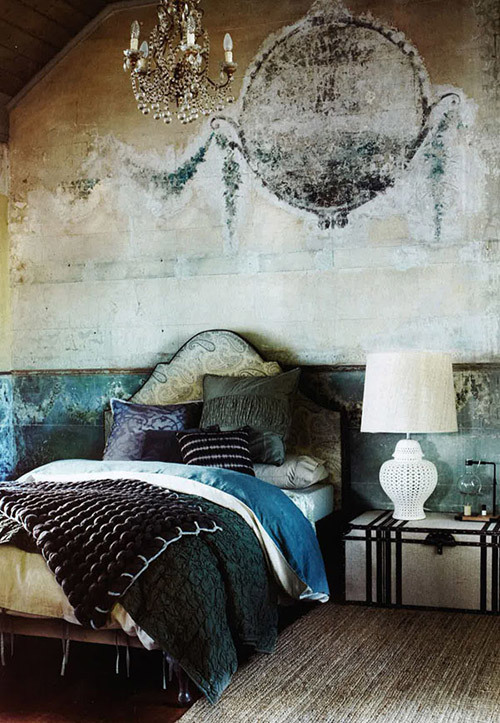 Image - Prue Ruscoe. Styling - Amanda Talbot for Home Beautiful
Wall treatments are key as they are the largest expression of character and mood in a room. For some it is leaving the exposed layers of history of a house visible, for others it is using a lime-based paint (I found a great one named Potato Skin) which is a traditional formulation giving a rich, nuanced look that speaks of antiquity, but nods to modernity.
If frayed furnishings are a bridge too far then opt for fabrics with a faded tone, in muted shades and timeless floral patterns.
It is a look that takes well to being enriched through layering, so for authenticity add vintage throws and source lampshades that look as though they had a previous life in a stately home. A lack of perfection and the marks of an interesting past are part of the look otherwise, God forbid, they could be confused with replicas.
Art is a gift to those in search of this look, as it does not rely so much on expensive pieces but rather a well-curated wall of images.
Choose a theme – seascapes, floral displays or portraiture and hunt them down in charity shops, vintage stores and garage sales. It may take a while but sticking with the single focus of subject matter will pay dividends and you will be able to play with changes in scale and types of frames for a gallery wall effect.
And just like that, the new and shiny will lose its lustre and you'll find yourself embracing the perfectly imperfect.
Explore More








Head Office (No Showroom)
2/1-7 Unwins Bridge Rd, St Peters,
NSW 2044, Australia
Your customer reference #:
01-X-CSN