



How to decorate with wall art
Have an art collection that you've yet to hang? Feeling overwhelmed or not sure how to make the most impact with each piece? Check out these tricks of the trade for picture-perfect displays.
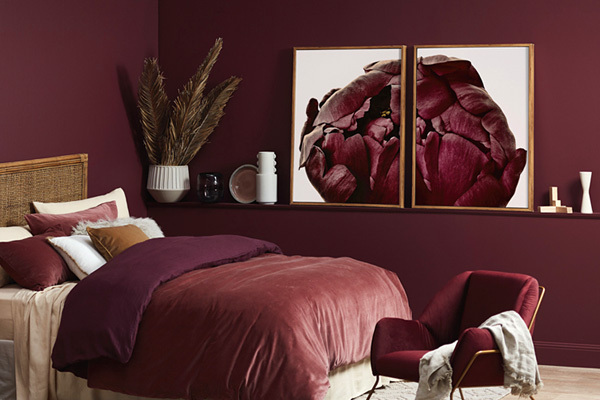
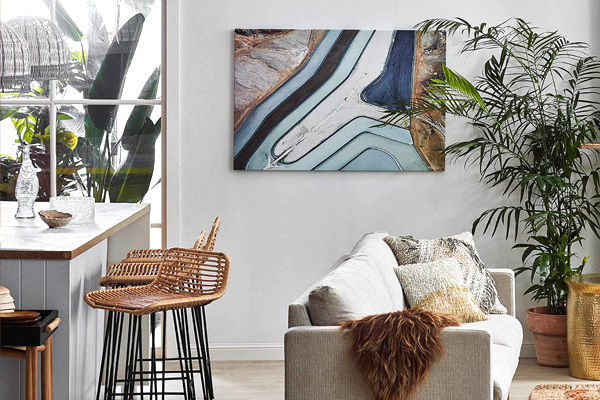
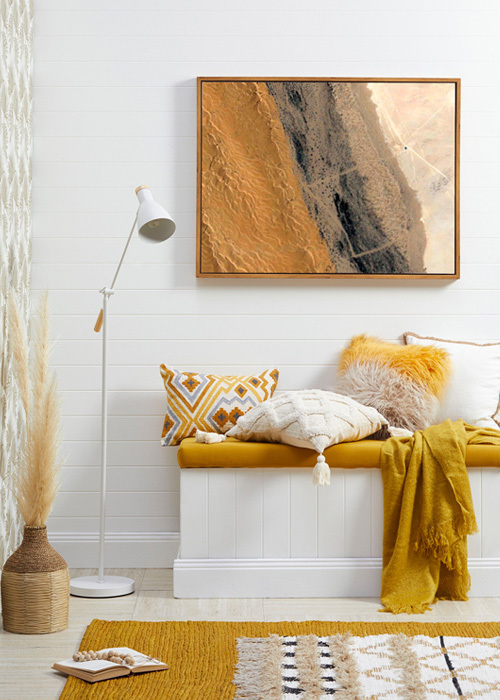
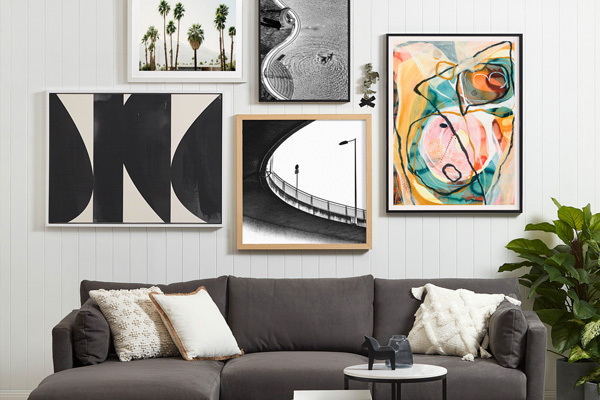
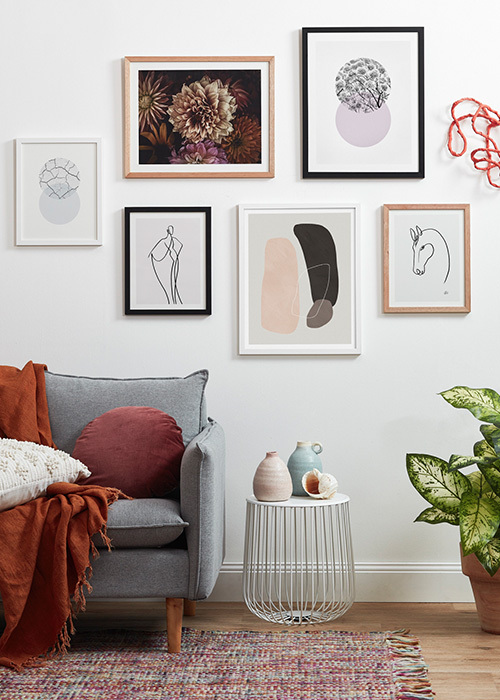
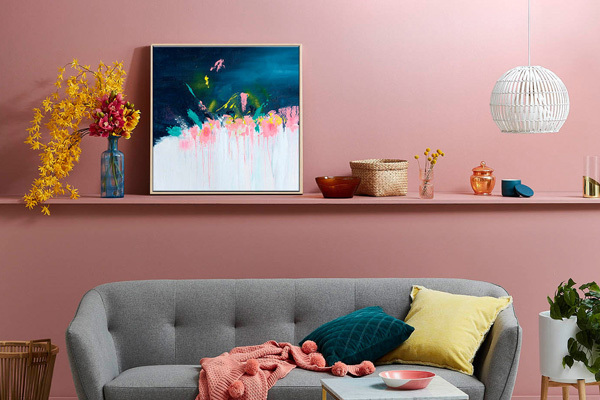
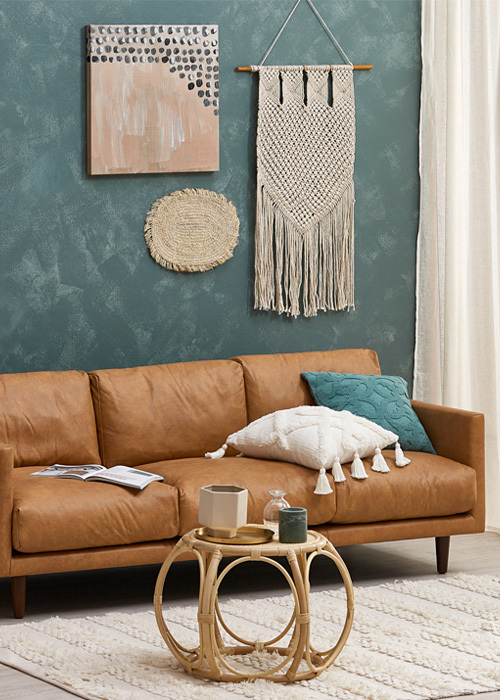
For more information on how to choose, hang and display art, see T&W guide to art.
1. Choose the right scale of artwork for your space
Consider smaller pieces for corners, empty patches of wall or in-between spaces such as stairways and around door frames. Generally go as big as you can, unless it's obvious that you've made the decision to go out of scale. Diptych or triptych panels are fantastic if you want to make an impact with a large wall.2. Find the right hanging height
When hanging artwork, the center of the piece should be at average eye level, so that you can appreciate it up-close and it can connect to other elements such as furniture and lighting. Eye level tends to be around 152cm off the ground, although galleries hang artwork at 155cm to the middle of the picture. If you're hanging artwork above furniture or mantels, obviously eye level doesn't apply. Instead, allow around 15-30cm between the bottom of the frame and the item of furniture it's hanging above.3. Consider negative space
The space around each artwork, known as negative space, is equally important to bring calmness and to make other design elements pop. Not every wall needs to be filled with an artwork; look at the room as a whole and determine the right balance of furniture, art and decor. Having said that, if the space doesn't feel right empty, fill it. Spaces should bring you relief, not anxiety.4. Play with styles
For a visually striking display, don't be afraid of pairing different styles of artwork linked together by colour or theme. Try abstract paintings with vintage finds, or combine a large artwork with smaller photographs. Mismatched frames can also add playfulness.5. Make your own gallery
If grouping a few pieces together, consider creating a gallery wall. Lay all artwork on the floor first to work out a balanced composition, starting with the largest piece at the centre, then surrounding it with complementary works. See our guide to art on on how to create a gallery wall.6. You don't have to call the handyman
If measuring and hammering isn't your thing, or you don't want to damage the walls, try leaning large framed art against walls, mantels, ledges, consoles and dressers. You could also consider picture shelves or other shallow floating shelves for larger displays. Leaning art on the floor can also be a great way to cover up wall outlets or unsightly electrical cords.7. Incorporate different types of art
Think beyond prints and paintings. Perhaps you have a rug or wall hanging that you love, or want to show-off your collection of vintage plates or colourful baskets. Antique window frames also make a fantastic addition to bare walls that need life.
For more information on how to choose, hang and display art, see T&W guide to art.

Explore More








Head Office (No Showroom)
2/1-7 Unwins Bridge Rd, St Peters,
NSW 2044, Australia
Your customer reference #:
01-X-CSN