



Updated 26 March 2021
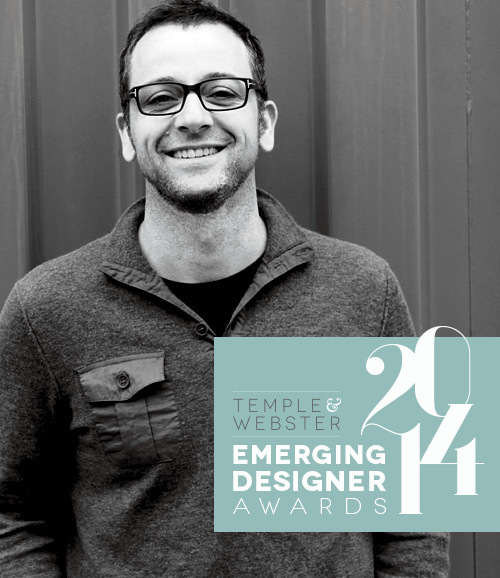
David Harrison introduces Andy Grigor, one of ten nominees for the Temple & Webster Emerging Designer Award 2014. Voting starts on 2 May.
New Zealand born Andy Grigor worked for several years in Ireland but has been based in Sydney since 2004. He has vast experience in the consumer electronics industry where he has worked for brands such as Breville, LG and Sunbeam. He was the recipient of a coveted Red Dot Award in 2008 for his Cafe Series Grill and Barbecue for Sunbeam and an Australian International Good Design accolade in 2008 and 2011 for his Pure Elements toaster for Sunbeam. His lighting design 'Glide', first presented at Launchpad 2012, has recently been put into production and will be stocked by new Australian brand Anomaly. Another of his more recent projects the 'Albero Brothers' coat stand is yet to find a manufacturing partner but is an ingenious combination of wood, aluminium and ceramic that draws upon the concept of the family tree.
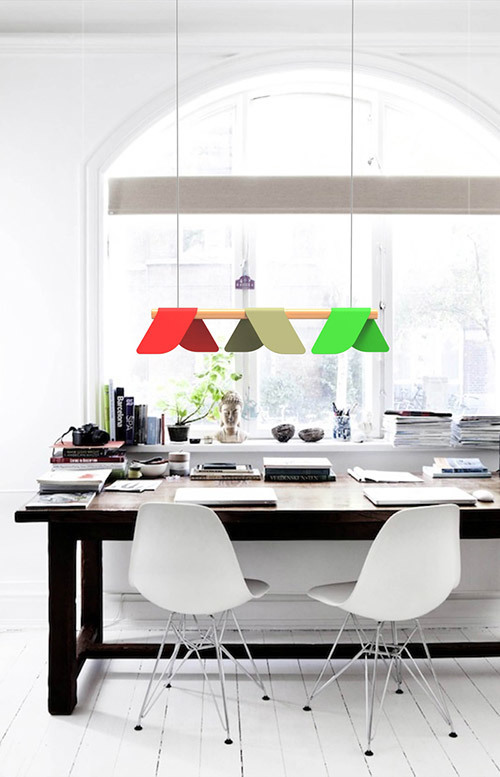
The Glide light was originally inspired by a set of 1970s flying ducks hanging in Andy's father's workshop.
What is your biggest motivator, muse or inspiration when you are designing?
I have long had a passion for creating beautiful objects; this was realized at a young age. My inspiration comes from insights into everyday life. I love the journey of exploration, realising sketches into reality.
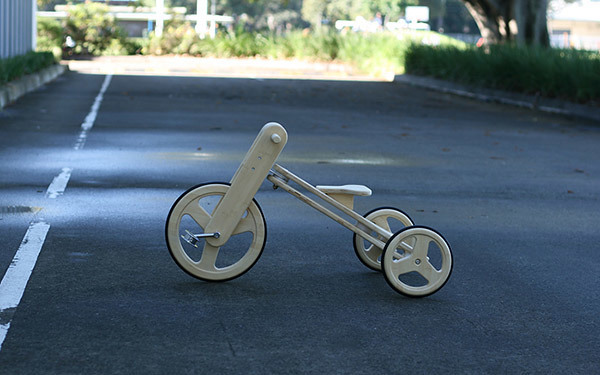
Andy's Bam Bam Baby tricycle, designed as an alternative to the injection molded plastic tricycles currently in the market is made entirely of sustainably harvested bamboo.
What has been the single most pivotal point or event in your design life so far?
It's hard to pick a single point but getting my first professional job cannot be underestimated. I have also been lucky enough to win both local and international design awards.
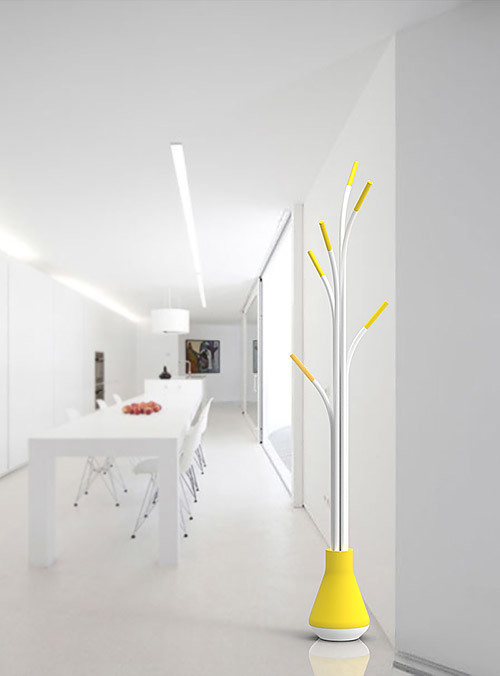
The Albero coatstand is based on the idea of a family tree, with each branch customisable to a family member's height and personality. Cleverly, each branch can also be rotated to fit any chosen space.
What existing object or piece of furniture do you wish you had designed?
David Trubridge's Coral light.
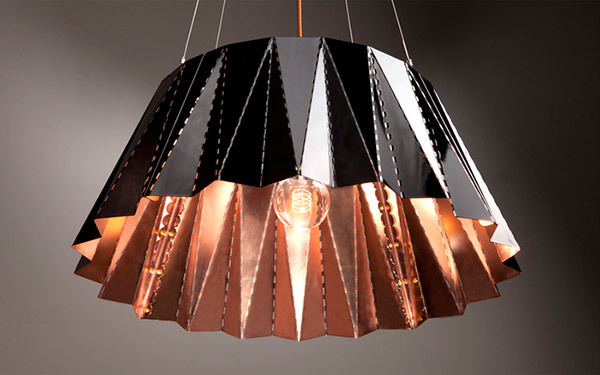
The Quarter Past pendant light s constructed from folded interlocking laser cut metal.
Your 'Albero Brothers' coat stand and 'Glide' light capture the essence of a quick sketch Do you like designing in this loose way and then resolving the details later?
Yes, the essence of the sketch is essential to my process, but I do believe strongly in the refinement of every detail. When I sketch my motivation to expand on the concept builds further. (I guess this answers your first question) I do also believe that true proportion and scale are derived from this stage,
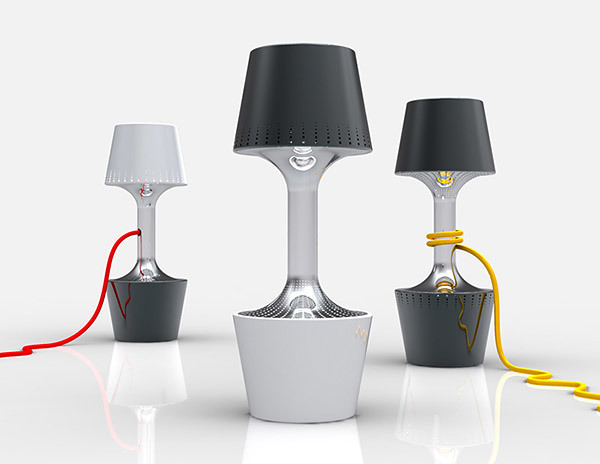
The 'Right Way Up' lamp works in two orientations, with each shade having different perforations for a different lighting atmosphere.
How do you assess the value of a concept before deciding to spend time on prototyping?
I have many sketches at different stages of exploration. I believe in quick prototypes constructed out of paper/card or other inexpensive materials. This helps me assess a concepts validity early and move forward. I like to handle the early prototypes and review their scale and form before investing financially.
Follow him on Pinterest or twitter.
Andy Grigor - Emerging Designer Award 2014
David Harrison introduces Andy Grigor, one of ten nominees for the Temple & Webster Emerging Designer Award 2014. Voting starts on 2 May.
New Zealand born Andy Grigor worked for several years in Ireland but has been based in Sydney since 2004. He has vast experience in the consumer electronics industry where he has worked for brands such as Breville, LG and Sunbeam. He was the recipient of a coveted Red Dot Award in 2008 for his Cafe Series Grill and Barbecue for Sunbeam and an Australian International Good Design accolade in 2008 and 2011 for his Pure Elements toaster for Sunbeam. His lighting design 'Glide', first presented at Launchpad 2012, has recently been put into production and will be stocked by new Australian brand Anomaly. Another of his more recent projects the 'Albero Brothers' coat stand is yet to find a manufacturing partner but is an ingenious combination of wood, aluminium and ceramic that draws upon the concept of the family tree.
The Glide light was originally inspired by a set of 1970s flying ducks hanging in Andy's father's workshop.
What is your biggest motivator, muse or inspiration when you are designing?
I have long had a passion for creating beautiful objects; this was realized at a young age. My inspiration comes from insights into everyday life. I love the journey of exploration, realising sketches into reality.
Andy's Bam Bam Baby tricycle, designed as an alternative to the injection molded plastic tricycles currently in the market is made entirely of sustainably harvested bamboo.
What has been the single most pivotal point or event in your design life so far?
It's hard to pick a single point but getting my first professional job cannot be underestimated. I have also been lucky enough to win both local and international design awards.
The Albero coatstand is based on the idea of a family tree, with each branch customisable to a family member's height and personality. Cleverly, each branch can also be rotated to fit any chosen space.
What existing object or piece of furniture do you wish you had designed?
David Trubridge's Coral light.
The Quarter Past pendant light s constructed from folded interlocking laser cut metal.
Your 'Albero Brothers' coat stand and 'Glide' light capture the essence of a quick sketch Do you like designing in this loose way and then resolving the details later?
Yes, the essence of the sketch is essential to my process, but I do believe strongly in the refinement of every detail. When I sketch my motivation to expand on the concept builds further. (I guess this answers your first question) I do also believe that true proportion and scale are derived from this stage,
The 'Right Way Up' lamp works in two orientations, with each shade having different perforations for a different lighting atmosphere.
How do you assess the value of a concept before deciding to spend time on prototyping?
I have many sketches at different stages of exploration. I believe in quick prototypes constructed out of paper/card or other inexpensive materials. This helps me assess a concepts validity early and move forward. I like to handle the early prototypes and review their scale and form before investing financially.
Follow him on Pinterest or twitter.
Explore More








Head Office (No Showroom)
2/1-7 Unwins Bridge Rd, St Peters,
NSW 2044, Australia
Your customer reference #:
01-X-CSN