



Updated 27 May 2021
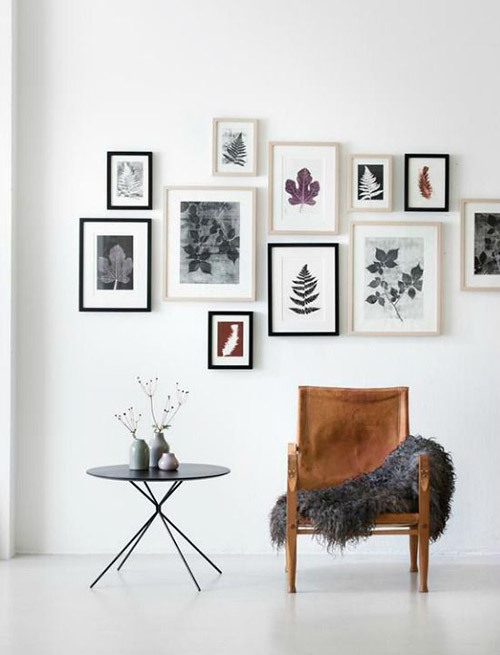
Botanical prints by Danish designer Pernille Folcarelli
Karen McCartney on the key elements of Scandi style, including creating the elusive 'hygge'.
It's not new to point to the Scandinavians as great arbiters of style. For decades the architects and furniture designers of Denmark, Norway and Sweden have been shaping the Australian aesthetic with their use of timber, sense of craft and balance of simplicity and comfort. In Denmark, they even have a word for it -'hygge' which, roughly translated, means 'creating a warm atmosphere and enjoying the good things in life with good people'. As philosophies go it seems to be a pretty good one.
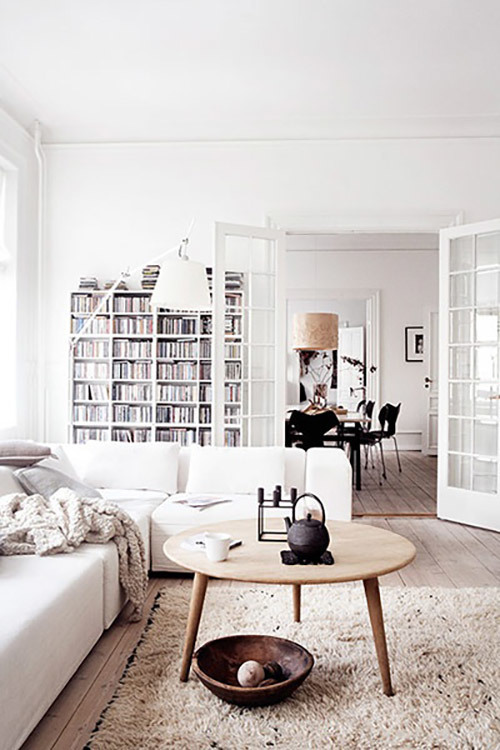
Image via Heidi Lerkenfeldt
This predominantly white living room avoids the sterile with the addition of a wall of books, tactile throws and the centrepiece of a circular timber coffee table by Danish designer Hans Wegner.
Scandi style starts with good, thoughtfully made pieces of furniture in light timbers and pleasingly functional designs and is built on from there, layering in rugs, cushions, throws and artworks. It is not a flash in the pan look and can easily be sustained over time, added to slowly as you find the right pieces.
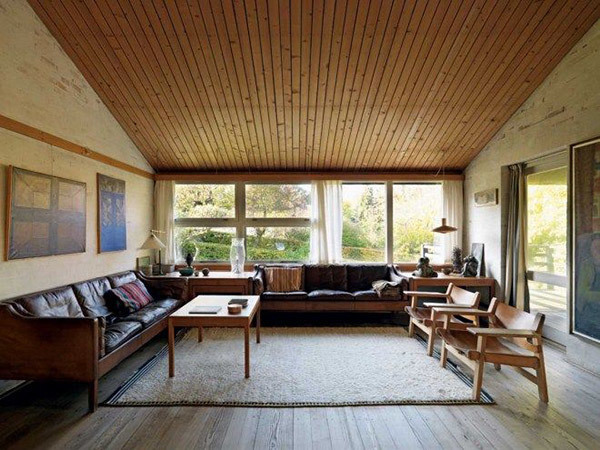
The home of Danish designer Borge Mogensen sums up so much of what is good about the Danish aesthetic. The use of warm timbers, particularly on the ceiling, simple clean lines in the furniture pieces and the uplighting aspect of natural light.
The palette tends towards the calm and considered but it is not a puritan style and there is a love of objects, books, candles and ceramics – all things that add meaningfully to the quality of life.
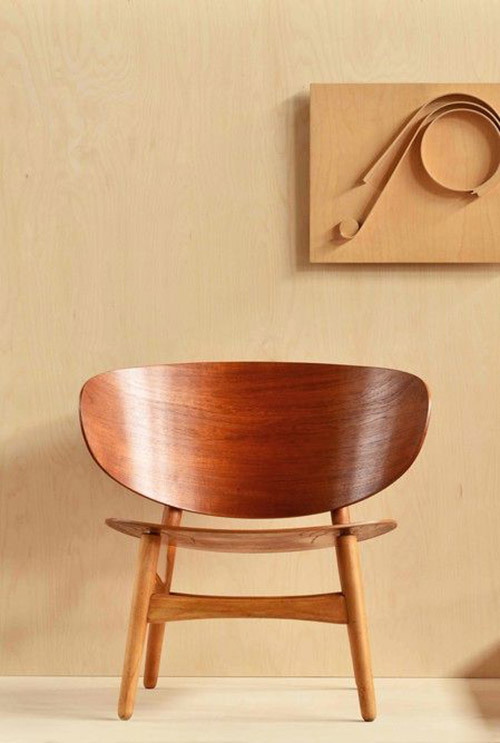
This is an example of the Hans J. Wegner Shell chair, designed in 1948, that I bought many years ago at a London auction when prices were much more affordable. Alvar Aalto´s wooden wall relief, 1950s. / Nord3, hangs on the wall. Sadly I don't have one of those!
It's a look I've been drawn to for years, after buying original Hans Wegner designed chairs at London auctions when they were affordable in the late Nineties. Such is the continuity of the Scandinavian design vision that a piece from the 1940s and one from today have an aesthetic connection that allows you to move across decades knowing that pieces will all work together. A few vintage items are also a way to add character to the new and give an interior an instant sense of history. It is also a look with a deep connection to nature, whether that is external or achieved by bringing twigs, plants or flowers into the home. It's determinedly not a look about money but about heart, comfort, family and friends all blended with an inherent style.
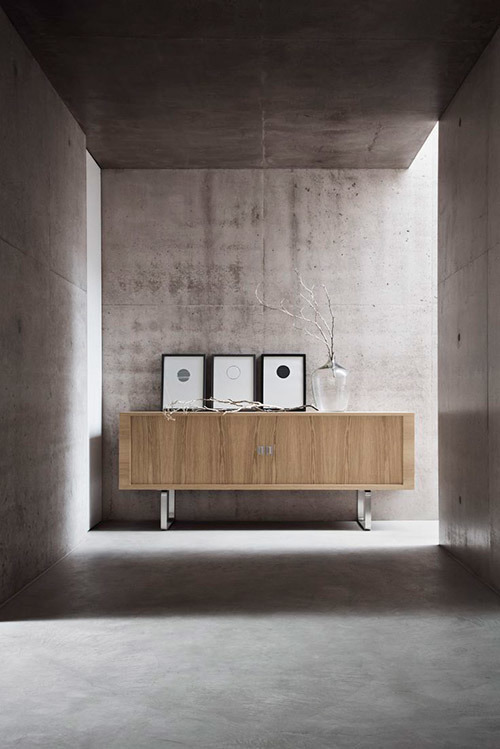
CH825 Credenza designed by Hans J. Wegner, recreated by Carl Hansen & Søn
Key pieces include the classic timber sideboard, characterised by long, low elegant shapes, a simple structured sofa and neat, upright dining chairs, making it the perfect style for apartment living. And if you want to add a bit of winter luxe, a soft sheepskin thrown over a chair gives a much-needed hit of 'hygge'!
Why we love Scandi style
Botanical prints by Danish designer Pernille Folcarelli
Karen McCartney on the key elements of Scandi style, including creating the elusive 'hygge'.
It's not new to point to the Scandinavians as great arbiters of style. For decades the architects and furniture designers of Denmark, Norway and Sweden have been shaping the Australian aesthetic with their use of timber, sense of craft and balance of simplicity and comfort. In Denmark, they even have a word for it -'hygge' which, roughly translated, means 'creating a warm atmosphere and enjoying the good things in life with good people'. As philosophies go it seems to be a pretty good one.
Image via Heidi Lerkenfeldt
This predominantly white living room avoids the sterile with the addition of a wall of books, tactile throws and the centrepiece of a circular timber coffee table by Danish designer Hans Wegner.
Scandi style starts with good, thoughtfully made pieces of furniture in light timbers and pleasingly functional designs and is built on from there, layering in rugs, cushions, throws and artworks. It is not a flash in the pan look and can easily be sustained over time, added to slowly as you find the right pieces.
The home of Danish designer Borge Mogensen sums up so much of what is good about the Danish aesthetic. The use of warm timbers, particularly on the ceiling, simple clean lines in the furniture pieces and the uplighting aspect of natural light.
The palette tends towards the calm and considered but it is not a puritan style and there is a love of objects, books, candles and ceramics – all things that add meaningfully to the quality of life.
This is an example of the Hans J. Wegner Shell chair, designed in 1948, that I bought many years ago at a London auction when prices were much more affordable. Alvar Aalto´s wooden wall relief, 1950s. / Nord3, hangs on the wall. Sadly I don't have one of those!
It's a look I've been drawn to for years, after buying original Hans Wegner designed chairs at London auctions when they were affordable in the late Nineties. Such is the continuity of the Scandinavian design vision that a piece from the 1940s and one from today have an aesthetic connection that allows you to move across decades knowing that pieces will all work together. A few vintage items are also a way to add character to the new and give an interior an instant sense of history. It is also a look with a deep connection to nature, whether that is external or achieved by bringing twigs, plants or flowers into the home. It's determinedly not a look about money but about heart, comfort, family and friends all blended with an inherent style.
CH825 Credenza designed by Hans J. Wegner, recreated by Carl Hansen & Søn
Key pieces include the classic timber sideboard, characterised by long, low elegant shapes, a simple structured sofa and neat, upright dining chairs, making it the perfect style for apartment living. And if you want to add a bit of winter luxe, a soft sheepskin thrown over a chair gives a much-needed hit of 'hygge'!
Explore More








Head Office (No Showroom)
2/1-7 Unwins Bridge Rd, St Peters,
NSW 2044, Australia
Your customer reference #:
01-X-CSN