



What is art deco?
Bold, opulent and glamorous, art deco took off in the 1920s, igniting a craze for geometric patterns, gleaming finishes and opulent materials. A century on, and we still can't get enough of it. But what exactly is art deco, and where did it come from?
How did Art Deco come about?
Originating in France in the 1920s, art deco was a trend towards modernism, moving away from intricate classical art towards cleaner geometric lines, inspired by the advances of modern technology. Art deco quickly spread throughout Europe and America, where it became associated with wealth and excess as part of the roaring '20s, and permeated the design of pretty much everything: buildings, cars, fashion, furniture, film, magazine covers and so on. Its popularity also spread to other parts of the world such as South America, Asia, Africa and Australia. The cities of Shanghai in China, Mumbai in India, Havana in Cuba, and Casablanca in Morocco are especially renowned for their art deco architecture.
What makes something Art Deco?
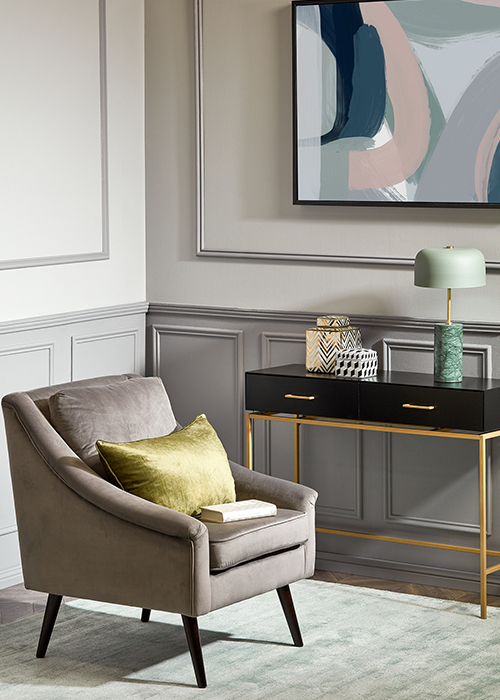
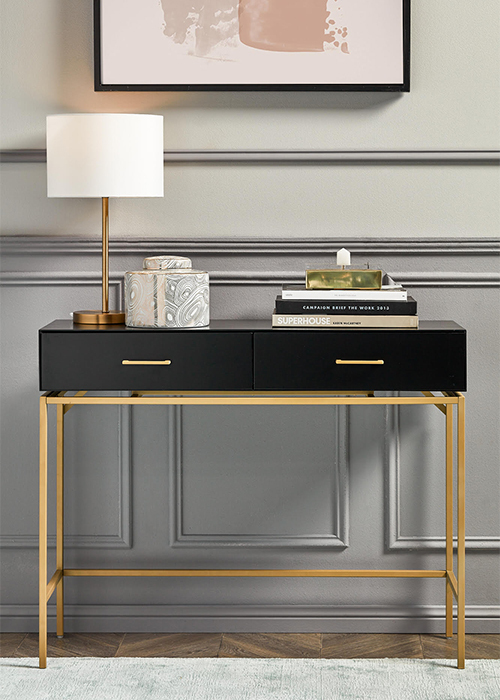
Streamlined, symmetrical shapes with linear and geometric patterns are very typical of art deco. Think chevron, zig zags and step patterns. While there are elements of classical art such as Aztec and Egyptian motifs, they are represented simply and minimally in keeping with the art deco style. Fabrics are rich and bright in jewel tones, and traditional designs weaved in luxurious materials such as silver, crystal, jade and ivory. Finishes are shiny with chrome and brass, lacquered wood, and glass and mirrored surfaces a common feature.

How has Art Deco evolved?
After World War Two, art deco started to decline in favour of the more functional and practical aesthetics of Mid-Century Modern style. Art deco, however, regained popularity in the 1960s particularly through the bright and bold fashion of the swinging sixties. Its geometric forms were again celebrated in the 1980s, paving the way for the pop world of the Memphis design movement - think of the restored candy-coloured art deco buildings in Miami. Today, curvy sculptural shapes, velvet and gold accents are all very much in vogue, and bar carts continue to be a must-have item in living and dining rooms. Without a doubt, the optimism, beauty and glamour that art deco represents is still very much here to stay.
Bring Art Deco into your home and shop our range now.
How did Art Deco come about?
Originating in France in the 1920s, art deco was a trend towards modernism, moving away from intricate classical art towards cleaner geometric lines, inspired by the advances of modern technology. Art deco quickly spread throughout Europe and America, where it became associated with wealth and excess as part of the roaring '20s, and permeated the design of pretty much everything: buildings, cars, fashion, furniture, film, magazine covers and so on. Its popularity also spread to other parts of the world such as South America, Asia, Africa and Australia. The cities of Shanghai in China, Mumbai in India, Havana in Cuba, and Casablanca in Morocco are especially renowned for their art deco architecture.
What makes something Art Deco?
Streamlined, symmetrical shapes with linear and geometric patterns are very typical of art deco. Think chevron, zig zags and step patterns. While there are elements of classical art such as Aztec and Egyptian motifs, they are represented simply and minimally in keeping with the art deco style. Fabrics are rich and bright in jewel tones, and traditional designs weaved in luxurious materials such as silver, crystal, jade and ivory. Finishes are shiny with chrome and brass, lacquered wood, and glass and mirrored surfaces a common feature.
How has Art Deco evolved?
After World War Two, art deco started to decline in favour of the more functional and practical aesthetics of Mid-Century Modern style. Art deco, however, regained popularity in the 1960s particularly through the bright and bold fashion of the swinging sixties. Its geometric forms were again celebrated in the 1980s, paving the way for the pop world of the Memphis design movement - think of the restored candy-coloured art deco buildings in Miami. Today, curvy sculptural shapes, velvet and gold accents are all very much in vogue, and bar carts continue to be a must-have item in living and dining rooms. Without a doubt, the optimism, beauty and glamour that art deco represents is still very much here to stay.
Bring Art Deco into your home and shop our range now.

Explore More








Head Office (No Showroom)
2/1-7 Unwins Bridge Rd, St Peters,
NSW 2044, Australia
Your customer reference #:
01-X-CSN