



Updated 25 May 2021
T&W Guest: Jack Atley
Jack Atley started his photography career at 18, mopping the darkrooms as a cadet at the Sydney Morning Herald. Now a multi-award winning professional photographer, he has stretched his creative wings to capture unique perspectives using a tilt shift lens. We caught up with Jack to learn more about the limited edition framed photographs featured today.
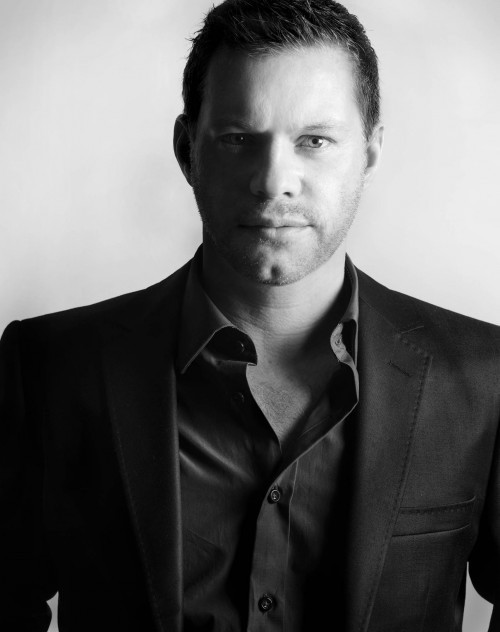
Jack, what's your background?
I was born and bred in Melbourne, and started my professional photography career at 18 when I beat a couple of thousand applicants to win a cadetship at the Sydney Morning Herald. I spent four years there, starting off literally mopping the darkrooms, then I went overseas and spent a few years working for news agencies in London, Italy and Dubai. I specialized mostly in news and sport photography then, but when I returned to Australia 6 or 7 years ago I started working in business and corporate photography. Rather unexpectedly, this has led to some amazing commissions. I'm now the Official Photographer for the Sydney Opera House redevelopment project as well as the official photographer for the Steve Waugh Foundation.
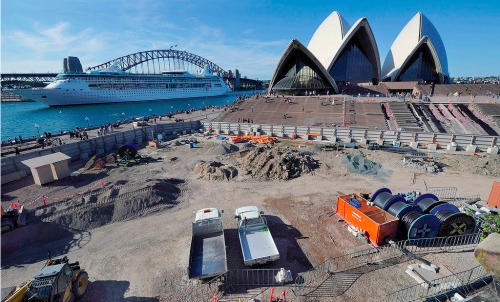
What prompted you to create the Jack Atley Gallery?
As a photographer, of course I love the artistic side of the industry but never had much of a chance to explore it – I stayed in the commercial world so I could pay the bills. I love my commercial work, but I'm always working to a brief, so I'm never completely in control. Winning the Moran Prize in 2011 really took me to another level and allowed me to open the Jack Atley Gallery to showcase my fine art photography.
Can you tell us about tilt shift photography?
It's a really old technique, and technically very difficult to master, and you don't see it used very often. I use a special lens with a small field of focus – the lens distorts what the camera sees. I used the tilt shift technique in this series because wanted to challenge myself and create something unique, rather than just the typical tourist 'happy snap'. I think these images are really compelling – it's a style that you can't stop looking at; you want to see more. They're a little like an optical illusion, as they create a miniature effect. It's really hard to explain, but if you watch the video* I talk about it a bit and you can see me shooting some of the images from a helicopter.
*Video no longer available.
Jack, what's your background?
I was born and bred in Melbourne, and started my professional photography career at 18 when I beat a couple of thousand applicants to win a cadetship at the Sydney Morning Herald. I spent four years there, starting off literally mopping the darkrooms, then I went overseas and spent a few years working for news agencies in London, Italy and Dubai. I specialized mostly in news and sport photography then, but when I returned to Australia 6 or 7 years ago I started working in business and corporate photography. Rather unexpectedly, this has led to some amazing commissions. I'm now the Official Photographer for the Sydney Opera House redevelopment project as well as the official photographer for the Steve Waugh Foundation.
What prompted you to create the Jack Atley Gallery?
As a photographer, of course I love the artistic side of the industry but never had much of a chance to explore it – I stayed in the commercial world so I could pay the bills. I love my commercial work, but I'm always working to a brief, so I'm never completely in control. Winning the Moran Prize in 2011 really took me to another level and allowed me to open the Jack Atley Gallery to showcase my fine art photography.
Can you tell us about tilt shift photography?
It's a really old technique, and technically very difficult to master, and you don't see it used very often. I use a special lens with a small field of focus – the lens distorts what the camera sees. I used the tilt shift technique in this series because wanted to challenge myself and create something unique, rather than just the typical tourist 'happy snap'. I think these images are really compelling – it's a style that you can't stop looking at; you want to see more. They're a little like an optical illusion, as they create a miniature effect. It's really hard to explain, but if you watch the video* I talk about it a bit and you can see me shooting some of the images from a helicopter.
*Video no longer available.
Explore More








Head Office (No Showroom)
2/1-7 Unwins Bridge Rd, St Peters,
NSW 2044, Australia
Your customer reference #:
01-X-CSN