



Updated 27 May 2021
How to create displays with impact
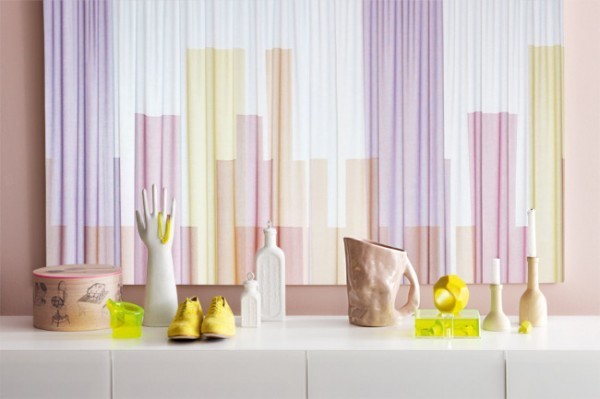
Not sure how to showcase your beautiful things? This image, styled by Vanessa Colyer Tay of Inside Out magazine and featured on the revamped Homelife blog (check it out!) shows how the experts do it. Interiors journalist Georgia Madden visits this week to share some tricks of the trade for creating displays with impact.
An attractive display does more than just create a focal point in a room – it tells a story about who lives there and what makes them tick. There are no hard and fast rules when it comes to displaying the objects you love, but there are a few tricks interior designers use that can help give your arrangements the wow factor.
Why designers love displays
Ask any interior designer how they add character and interest to a room scheme, and one of the first things they'll tell you is display. A collection of eye-catching objects – however simple – draws your guests into a room and gives them a reason to linger. Display is also a clever tool for detracting attention from problem areas - an arrangement of long, slender vases will draw the eye upwards and make a low ceiling appear higher; a striking picture wall will draw attention away from an unsightly corner; and a decorative wall sculpture adds texture and depth to bland architecture.
So what can you display?
Anything you like! A display of quirky ceramic animals, vintage glass bottles, patterned plates, or even your kids' artwork can all be used to create stunning displays. Even the most everyday items such as typewriter keys or shells collected on the beach will have impact when displayed en masse. The trick is to choose pieces that speak to you and display them with confidence.
Choosing the right spot
Walls and mantelpieces are the obvious spots for display, but it's also worth looking around for other areas too. Is there an empty wall crying out for a picture shelf, a deep windowsill where you could display driftwood collected on the beach, or a dull corner that might benefit from a show stopping sculpture?
Keep in mind that successful displays require a sense of balance. You should aim to use one display area as the 'hero' in a room, with the others playing smaller, supporting roles.
Proportion
Most designers agree that odd numbers are more pleasing to the eye than even ones, so go for groups of three or five items rather than two or four. When grouping several pieces together, it's important to establish a unifying theme among them such as colour, shape or subject matter. Once that's established, you can have fun mixing things around until you've found a look that works.
When it comes to displaying pieces of different heights, it's best to position the largest ones at the back or centre, and the smaller ones gradually outwards and to the front. In design terms this is known as the 'stylists' pyramid' and will work with any number of differently sized pieces.
Colour
Bright or richly patterned displays will add vibrancy and fun to a room scheme, just make sure that whatever you choose blends in with the room's main colour scheme for cohesion. White and neutral coloured displays can be just as effective as brights - think a row of sculptural white vases or quirky figurines – and will add a touch of serenity to a room.
It's also important to consider the backdrop; painting the wall behind an all-white arrangement a deep shade such as charcoal or teal will give them a striking, graphic silhouette. A bright or patterned display, on the other hand, will benefit from a more neutral backdrop.
Good lighting
The right lighting can make or break your display, so it pays to get it right. The main choices include ceiling spotlights, and up- or down-lighters that can be recessed inside shelving or in the form of lamps. Natural daylight can also provide great display lighting – it's softer than artificial light, and will give your pieces an ever-changing look throughout the day.
Have fun!
The wonderful thing about displays is that they're not forever. You can add to them, move them around, or go for a whole new look whenever the mood strikes. And remember – the most successful displays are an expression of who you are and what you love – a great excuse, if ever you needed one, to go shopping!
Georgia Madden is an interiors journalist.
An attractive display does more than just create a focal point in a room – it tells a story about who lives there and what makes them tick. There are no hard and fast rules when it comes to displaying the objects you love, but there are a few tricks interior designers use that can help give your arrangements the wow factor.
Why designers love displays
Ask any interior designer how they add character and interest to a room scheme, and one of the first things they'll tell you is display. A collection of eye-catching objects – however simple – draws your guests into a room and gives them a reason to linger. Display is also a clever tool for detracting attention from problem areas - an arrangement of long, slender vases will draw the eye upwards and make a low ceiling appear higher; a striking picture wall will draw attention away from an unsightly corner; and a decorative wall sculpture adds texture and depth to bland architecture.
So what can you display?
Anything you like! A display of quirky ceramic animals, vintage glass bottles, patterned plates, or even your kids' artwork can all be used to create stunning displays. Even the most everyday items such as typewriter keys or shells collected on the beach will have impact when displayed en masse. The trick is to choose pieces that speak to you and display them with confidence.
Choosing the right spot
Walls and mantelpieces are the obvious spots for display, but it's also worth looking around for other areas too. Is there an empty wall crying out for a picture shelf, a deep windowsill where you could display driftwood collected on the beach, or a dull corner that might benefit from a show stopping sculpture?
Keep in mind that successful displays require a sense of balance. You should aim to use one display area as the 'hero' in a room, with the others playing smaller, supporting roles.
Proportion
Most designers agree that odd numbers are more pleasing to the eye than even ones, so go for groups of three or five items rather than two or four. When grouping several pieces together, it's important to establish a unifying theme among them such as colour, shape or subject matter. Once that's established, you can have fun mixing things around until you've found a look that works.
When it comes to displaying pieces of different heights, it's best to position the largest ones at the back or centre, and the smaller ones gradually outwards and to the front. In design terms this is known as the 'stylists' pyramid' and will work with any number of differently sized pieces.
Colour
Bright or richly patterned displays will add vibrancy and fun to a room scheme, just make sure that whatever you choose blends in with the room's main colour scheme for cohesion. White and neutral coloured displays can be just as effective as brights - think a row of sculptural white vases or quirky figurines – and will add a touch of serenity to a room.
It's also important to consider the backdrop; painting the wall behind an all-white arrangement a deep shade such as charcoal or teal will give them a striking, graphic silhouette. A bright or patterned display, on the other hand, will benefit from a more neutral backdrop.
Good lighting
The right lighting can make or break your display, so it pays to get it right. The main choices include ceiling spotlights, and up- or down-lighters that can be recessed inside shelving or in the form of lamps. Natural daylight can also provide great display lighting – it's softer than artificial light, and will give your pieces an ever-changing look throughout the day.
Have fun!
The wonderful thing about displays is that they're not forever. You can add to them, move them around, or go for a whole new look whenever the mood strikes. And remember – the most successful displays are an expression of who you are and what you love – a great excuse, if ever you needed one, to go shopping!
Georgia Madden is an interiors journalist.
Explore More








Head Office (No Showroom)
2/1-7 Unwins Bridge Rd, St Peters,
NSW 2044, Australia
Your customer reference #:
01-X-CSN