



Updated 26 May 2021
How to buy: Bed linen
Sateen, long staple, percale, plain weave, Egyptian cotton, Pima cotton, polycotton, warp, weft. Bamboozled yet? The beautiful Egyptian cotton bed linen in our Bas Phillips feature today has inspired us to create a guide to help you cut through the jargon and buy with confidence.
Cotton
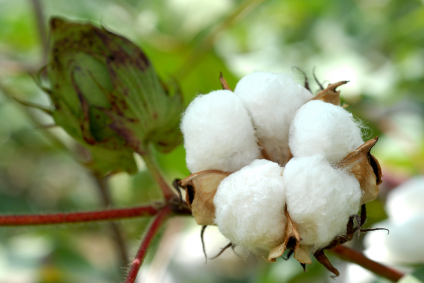
The most popular choice for bed linen for most people is cotton because of its softness, breathability and durability. Cotton is grown all over the world, wherever conditions are hot, wet and humid; the world's biggest producers are China and the US. Most cotton is short-staple cotton – the staple refers to the downy fibre when it's picked from the plant.
Egyptian cotton
Egypt is famous for its long staple and extra-long staple cotton, grown along the banks of the Nile. The extra-long staple means the fibre can be made into very fine and strong yarn which is soft and smooth to the touch. The longer staple also means the fabric is much less likely to pill, and produces much less lint.
Pima cotton
This is an extra-long staple cotton grown in the US, Australia and other countries, and is of similar quality to Egyptian cotton. The "Supima" name can only be applied to products made from 100% American Pima cotton.
Polycotton
This refers to a blend of cotton and man-made polyester. Practical and easycare, it is also less breatheable than cotton and may pill more easily.
Linen
Linen is made from flax plants, not cotton plants and has been in use since biblical times. It is also a long staple fibre which means it is fine and very strong, and reputedly linen sheets are wonderful in hot climates. Linen softens with repeated washing, and is sometimes stonewashed for extra softness, but you'll either have to iron it or be happy with a casual, creased look. Linen bedlinen is considered a luxury and can be expensive, but is eco-friendly and hypoallergenic. It is also a good thermal regulator - it can breathe, allowing you to stay warm in winter and cool in summer.
Percale
Percale refers to the way the bed linen is made, not to what it's made of. This means you could 100% cotton percale sheets, or polycotton percale sheets. Percale is a "plain weave", which means the fabric is made by weaving one thread over and one thread under. This kind of weave means it's easy for air to pass through, so it can be more breathable than sateen. Just to confuse you, manufacturers can apply different finishes to percale, so it may feel either "crisp" or more "soft".
Sateen
Sateen is another term which refers to the way the bed linen is made, not to what it's made of. Sateen fabric is made by weaving four threads over and one thread under. This means lots of yarns line up on the surface of the fabric so it has a smooth, silky feel and sheen. It feels slightly heavier and more lustrous than percale.
Warp and weft
The warp is the threads running one way on the fabric, and the weft is the threads running the other way. The way the warp and weft threads are woven affects and look and feel of the fabric – this is why sateen is different to percale.
Thread count
Thread count refers to the number of warp threads and weft threads to be found in a certain measurement of fabric – usually either a square inch or a 10cm square. Cotton percale usually has a thread count of around 200, although the fineness of Egyptian cotton yarns means a higher thread count is possible.
You can shop here for all your bed linen needs.
Cotton
The most popular choice for bed linen for most people is cotton because of its softness, breathability and durability. Cotton is grown all over the world, wherever conditions are hot, wet and humid; the world's biggest producers are China and the US. Most cotton is short-staple cotton – the staple refers to the downy fibre when it's picked from the plant.
Egyptian cotton
Egypt is famous for its long staple and extra-long staple cotton, grown along the banks of the Nile. The extra-long staple means the fibre can be made into very fine and strong yarn which is soft and smooth to the touch. The longer staple also means the fabric is much less likely to pill, and produces much less lint.
Pima cotton
This is an extra-long staple cotton grown in the US, Australia and other countries, and is of similar quality to Egyptian cotton. The "Supima" name can only be applied to products made from 100% American Pima cotton.
Polycotton
This refers to a blend of cotton and man-made polyester. Practical and easycare, it is also less breatheable than cotton and may pill more easily.
Linen
Linen is made from flax plants, not cotton plants and has been in use since biblical times. It is also a long staple fibre which means it is fine and very strong, and reputedly linen sheets are wonderful in hot climates. Linen softens with repeated washing, and is sometimes stonewashed for extra softness, but you'll either have to iron it or be happy with a casual, creased look. Linen bedlinen is considered a luxury and can be expensive, but is eco-friendly and hypoallergenic. It is also a good thermal regulator - it can breathe, allowing you to stay warm in winter and cool in summer.
Percale
Percale refers to the way the bed linen is made, not to what it's made of. This means you could 100% cotton percale sheets, or polycotton percale sheets. Percale is a "plain weave", which means the fabric is made by weaving one thread over and one thread under. This kind of weave means it's easy for air to pass through, so it can be more breathable than sateen. Just to confuse you, manufacturers can apply different finishes to percale, so it may feel either "crisp" or more "soft".
Sateen
Sateen is another term which refers to the way the bed linen is made, not to what it's made of. Sateen fabric is made by weaving four threads over and one thread under. This means lots of yarns line up on the surface of the fabric so it has a smooth, silky feel and sheen. It feels slightly heavier and more lustrous than percale.
Warp and weft
The warp is the threads running one way on the fabric, and the weft is the threads running the other way. The way the warp and weft threads are woven affects and look and feel of the fabric – this is why sateen is different to percale.
Thread count
Thread count refers to the number of warp threads and weft threads to be found in a certain measurement of fabric – usually either a square inch or a 10cm square. Cotton percale usually has a thread count of around 200, although the fineness of Egyptian cotton yarns means a higher thread count is possible.
You can shop here for all your bed linen needs.
Explore More








Head Office (No Showroom)
2/1-7 Unwins Bridge Rd, St Peters,
NSW 2044, Australia
Your customer reference #:
01-X-CSN