



12 types of timber you need to know
Different projects call for different types of timber, and both hardwood and softwood are suitable for everything from structural design to decorative furniture. But what is the difference between these two types of timber? And which variety is best for you? Our guide to 12 of the most commonly used grains breaks it down.
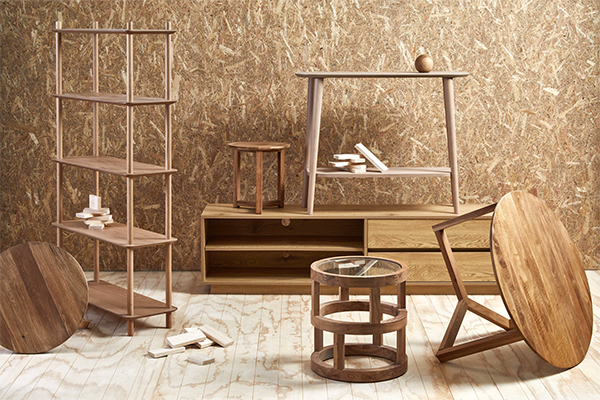
What’s the difference between hardwood and softwood?
Whether a timber classifies as hardwood or softwood actually comes down to its seed structure. Hardwood trees’ seeds are produced in an enclosed form, such as a shell or fruit, whereas softwood comes from coniferous trees that form naked seeds that drop to the ground. And while the terms softwood and hardwood don’t necessarily refer to the density or hardness of the timber itself, hardwoods tend to be slower growing and therefore more dense than softwoods.
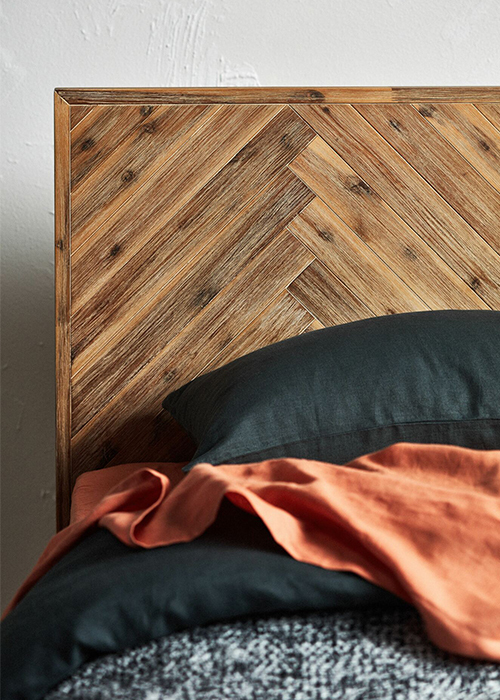
Softwood
Softwood varieties are easier to work with and can be used across a broad range of applications — though due to their lower density, they are less durable over time. Softwood timbers are a more renewable option thanks to their fast growth rate and therefore come with a lower price tag.
Cedar
Colour: Warm red that takes on a silvery-grey appearance when weathered.Texture and grain: Straight grain with a coarse texture.
Qualities: Durable, lightweight, accepts stains and paints well. Likely to scratch and dent more easily than harder woods, but more resistant to cracks.
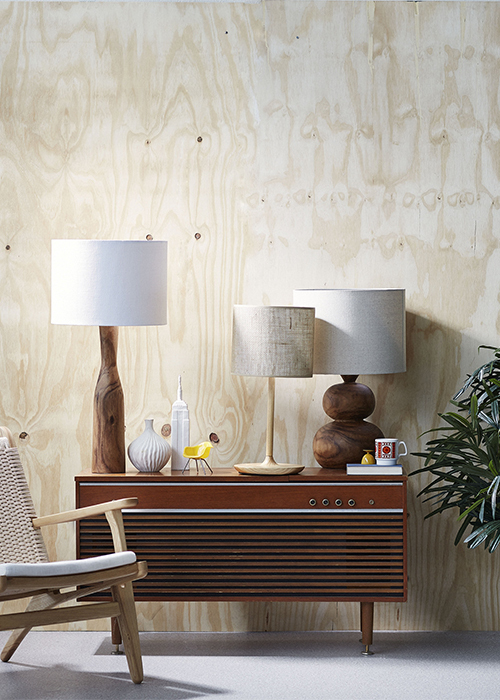
Fir
Colour: Yellow through reddish-brown with darker growth rings.Texture and grain: Coarse and uneven with straight, close grain lines.
Qualities: Lightweight, though hard in comparison to other softwoods. Well suited for structural beams, trims and joinery.
Cypress Pine
Colour: Light yellow to pale brown, with occasional dark brown streaks.Texture and grain: Even texture with straight grain lines that include tight knots.
Qualities: Prized for its anti-termite properties and decorative knots that enhance its visual appeal.
Hardwood
Strong and stable hardwoods are available in a range of beautiful colours and grains that offer greater longevity. However, hardwood forests take longer to replenish due to these trees’ slower growth rates, which generally makes them a more expensive option.
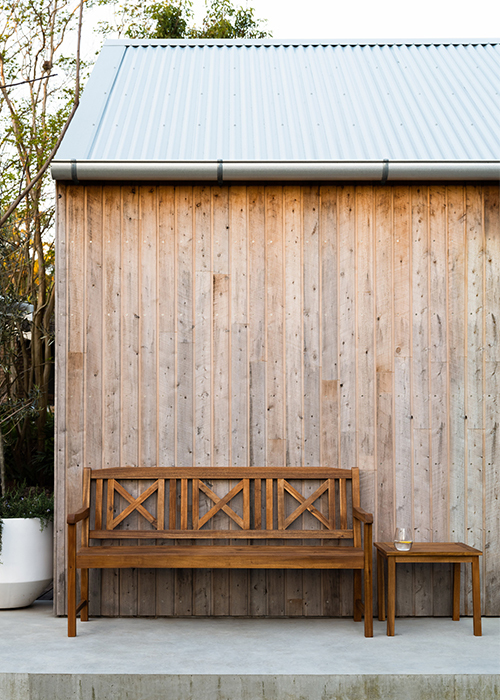
Ash
Colour: White to pale brown.
Texture and grain: Coarse texture and straight, attractive grain.
Qualities: Incredibly hard and dense with good resistance to scratches and dents, making it a popular choice for flooring.
Texture and grain: Coarse texture and straight, attractive grain.
Qualities: Incredibly hard and dense with good resistance to scratches and dents, making it a popular choice for flooring.
Beech
Colour: Cream to tan with pinkish overtones.
Texture and grain: Fine, even grain.
Qualities: One of the blander grains, but easy to work with and holds finishes very well making it a go-to for furniture and veneers designed to be painted.
Texture and grain: Fine, even grain.
Qualities: One of the blander grains, but easy to work with and holds finishes very well making it a go-to for furniture and veneers designed to be painted.
Birch
Colour: Available in two varieties, pale white and yellow.
Texture and grain: Straight, fine grain with an even texture, though some pieces may have more of a wavy grain.
Qualities: Fairly strong and one of the most economical hardwoods. Birch is frequently used for plywood due to its strength and inexpensive cost.
Texture and grain: Straight, fine grain with an even texture, though some pieces may have more of a wavy grain.
Qualities: Fairly strong and one of the most economical hardwoods. Birch is frequently used for plywood due to its strength and inexpensive cost.
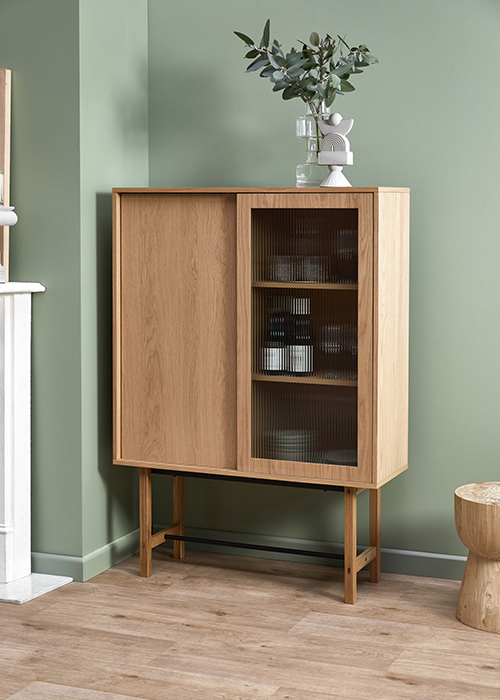
Eucalyptus
Eucalyptus is native to Australia and has over 700 species that offer many beautiful timber options. Blackbutt, Spotted gum and Jarrah are three of the most popular grains.
Blackbutt
Colour: Golden yellow to pale brown, with soft pink elements.
Texture & grain: Coarse texture and straight grain commonly featuring small gum veins.
Qualities: Highly durable and naturally fire-resistant, though Blackbutt can crack if left unsealed.
Texture & grain: Coarse texture and straight grain commonly featuring small gum veins.
Qualities: Highly durable and naturally fire-resistant, though Blackbutt can crack if left unsealed.
Spotted gum
Colour: Varies from pale grey through to off-white and rich, deep dark browns.
Texture and grain: Moderately coarse with a wavy interlocked grain.
Qualities: Striking appearance well-suited to surfaces that can be shown off. Available in a variety of colours that can suit different environments.
Jarrah
Texture and grain: Moderately coarse with a wavy interlocked grain.
Qualities: Striking appearance well-suited to surfaces that can be shown off. Available in a variety of colours that can suit different environments.
Colour: Dark red.
Texture and grain: Medium to coarse texture and generally straight grain, though can also be interlocking or wavy.
Qualities: High resistance to weather, rot and termites, making it valuable for a range of outdoors uses.
Texture and grain: Medium to coarse texture and generally straight grain, though can also be interlocking or wavy.
Qualities: High resistance to weather, rot and termites, making it valuable for a range of outdoors uses.
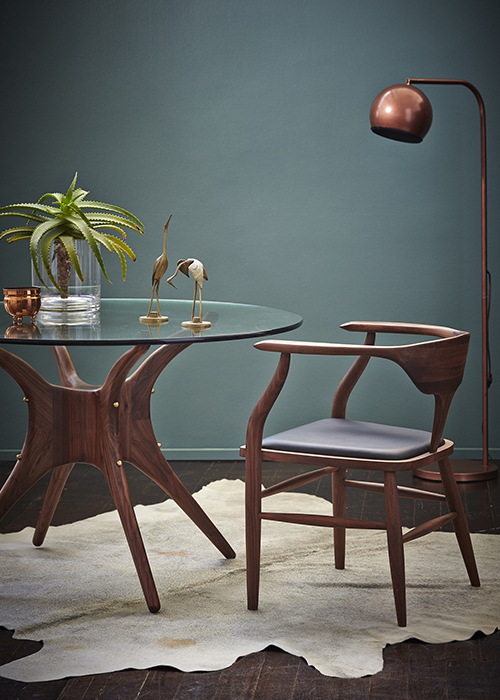
Mahogany
Colour: Reddish-brown to deep red.
Texture and grain: Straight, close grain, free of gaps and prone to fewer knots.
Qualities: Coveted for its warm, beautiful grain, though more common to antique furniture as this timber is hard to grow sustainably.
Texture and grain: Straight, close grain, free of gaps and prone to fewer knots.
Qualities: Coveted for its warm, beautiful grain, though more common to antique furniture as this timber is hard to grow sustainably.
Maple
Colour: Pale timber, ranging from white to pinkish yellow.
Texture and grain: Fine and closed texture with a generally straight grain.
Qualities: Very hard and durable, common in indoor furniture, cabinetry, and kitchen accessories. Maple also excels in carrying soundwaves and is used in many different musical instruments such as violins, violas, cellos and bases.
Texture and grain: Fine and closed texture with a generally straight grain.
Qualities: Very hard and durable, common in indoor furniture, cabinetry, and kitchen accessories. Maple also excels in carrying soundwaves and is used in many different musical instruments such as violins, violas, cellos and bases.
Oak
Colour: Available in red and white.
Texture and grain: Straight grained with a medium to coarse texture.
Qualities: Rot-resistant and abundantly available. If properly cared for, oak furniture can last for decades.
Texture and grain: Straight grained with a medium to coarse texture.
Qualities: Rot-resistant and abundantly available. If properly cared for, oak furniture can last for decades.
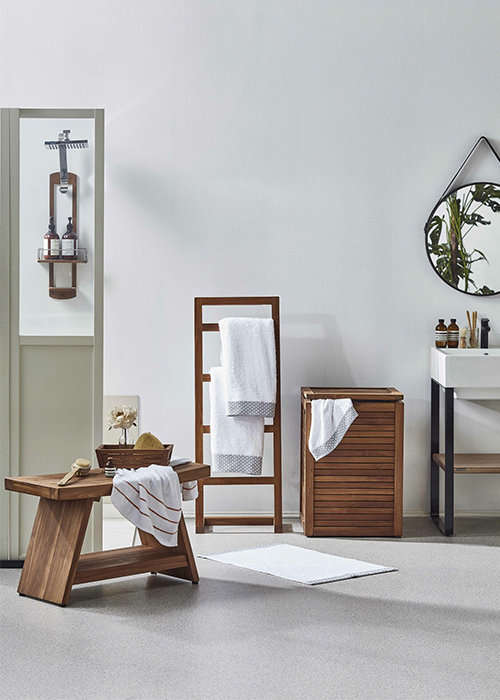
Teak
Colour: Golden brown that will age to a silver-grey colour if left outside untreated.
Texture and grain: Tight grain with a slightly waxy feel and high oil content.
Qualities: Tropical timber that is highly durable, weather and termite resistant. Great for bathrooms and outdoor areas, though a more expensive option than most.
Texture and grain: Tight grain with a slightly waxy feel and high oil content.
Qualities: Tropical timber that is highly durable, weather and termite resistant. Great for bathrooms and outdoor areas, though a more expensive option than most.
Walnut
Colour: Rich brown to reddish-brown.
Texture and grain: Pronounced, lively grain which can be striped, flamed or cloudy.
Qualities: An attractive timber used widely in furniture making, and another fairly expensive choice.
Texture and grain: Pronounced, lively grain which can be striped, flamed or cloudy.
Qualities: An attractive timber used widely in furniture making, and another fairly expensive choice.

Explore More








Head Office (No Showroom)
2/1-7 Unwins Bridge Rd, St Peters,
NSW 2044, Australia
Your customer reference #:
01-X-CSN