

- Featured


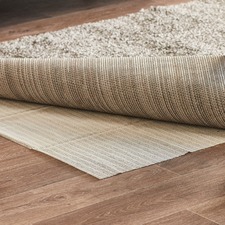
Rug Pad for Wooden & Tiled Floors
40% off in cart. Min spend applies
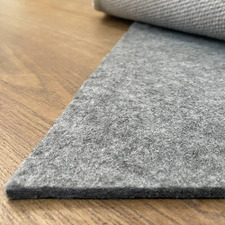
Verdana Anti-Slip Rug Pad
30% off in cart. Min spend applies
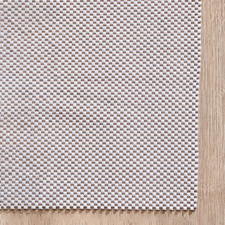
White Non-Slip Rug Pad
by Temple & Webster
10% off in cart. Min spend applies
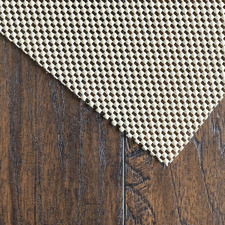
Ivory Non-Slip Rug Pad
10% off in cart. Min spend applies
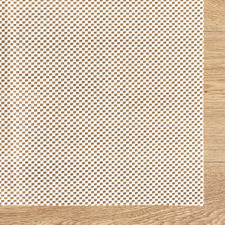
Riya Anti-Slip Rug Pad
10% off in cart. Min spend applies
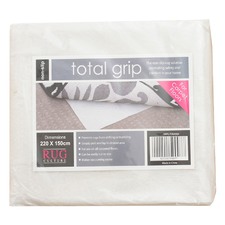
Rug Pad for Carpeted Floors
10% off in cart. Min spend applies
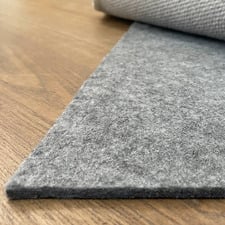
Verdana Anti-Slip Runner Pad
10% off in cart. Min spend applies
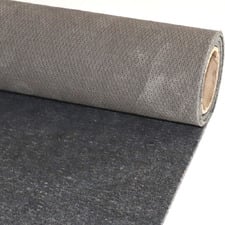
Brent Felt Rug Pad
10% off in cart. Min spend applies
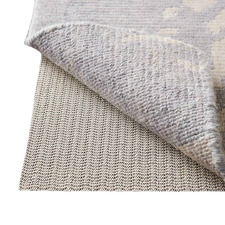
Light Grey Anti-Slip Rug Pad
20% off in cart. Min spend applies
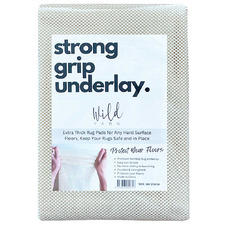
White Non-Slip Rug Pad
40% off in cart. Min spend applies
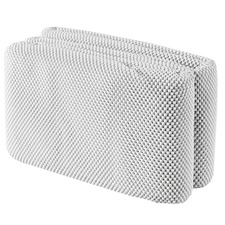
Anti-slip Rug Pad for Wooden & Tiled Floors
10% off in cart. Min spend applies
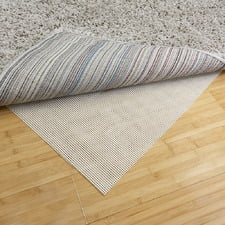
Quade Rug Pad
Choosing the right rug underlay for your floor type
On smooth hard floors like timber, tiles or polished concrete, you need a rug pad with a rubber or PVC grip base to stop the rug from moving underfoot. For carpet-on-carpet layering, a felt pad without rubber works better because rubber grips carpet fibres and can cause bunching over time.
Shop our shag rugs range, where a quality rug pad makes a particular difference to comfort and prevents the long pile from compressing unevenly.
Getting rug pad and underlay sizing right for your rug
Your rug pad should be cut 2 to 3 cm smaller than your rug on all sides so that the pad stays completely hidden and doesn’t create a tripping edge. If you buy a standard-sized pad that’s slightly larger than your rug, trim it with scissors along a straight line to achieve the right margin.
Pair with our silver and grey rugs for a complete underfoot setup that combines cushioning with a neutral, room-anchoring look.
When a thicker rug pad makes more sense for your home
A felt and rubber combination pad with a thickness of around 6mm adds meaningful underfoot cushioning, making kitchen runners more comfortable to stand on and giving bedside rugs a plush, luxurious feel. In dining rooms, a thinner 3mm rubber pad is a better choice because it keeps chair legs stable and prevents wobbling when people push back from the table.
Frequently asked questions
Do rug pads damage timber floors?
Natural rubber rug pads are safe for most sealed timber floors, but PVC or synthetic rubber pads can react with certain polyurethane floor finishes over time, leaving a yellow stain. If you have a recently finished or oil-treated timber floor, check with the floor manufacturer before using a PVC-based pad.
How thick should a rug pad be?
For most living areas, a rug pad between 3 and 6mm thick provides adequate grip and cushioning. Thicker pads of 8 to 10mm add more comfort underfoot but can cause rug edges to curl slightly if the pad is not trimmed to the correct size.
Can I use a rug pad under an outdoor rug?
Standard indoor rug pads are not suitable for outdoor use as moisture trapped between the pad and the surface can cause mould and damage the decking or paving. Look for an outdoor-specific grip pad made from open-weave rubber that allows water to drain through.
How often should I replace a rug pad?
A good quality felt and rubber rug pad typically lasts 5 to 7 years before the rubber loses its grip and the felt compresses. Signs it needs replacing include the rug sliding more than usual, visible flattening of the pad, or rubber that has become sticky or brittle.
Does a rug pad extend the life of a rug?
Yes, a rug pad reduces friction between the rug backing and the hard floor surface, which is one of the main causes of backing deterioration and pile wear. Studies from rug manufacturers suggest a pad can extend a rug's serviceable life by 30 to 50% compared to laying the same rug directly on hard flooring.



We're here to help
We're available every day: 8am-8pm
Help Centre
To help us help you as quickly as possible, please include your customer reference #: 01-X-CSN
By using our website, you agree to our Terms and, by providing us with your information, you are agreeing to our Privacy Policy.