



How to style a conservatory
Bridging the divide between outside and in, a conservatory is a light-filled living space designed to bring a garden feel to the home. The traditional glass structure allows sunlight to stream in and nature to flourish, though you don't need a conservatory attached to your property to reap the same rewards.
What is a conservatory?
A conservatory is a glass room that extends from the back or side of a house. The structure includes a glass roof and is more common in the UK and European countries that seek extra sunlight and warmth all year round. Our mild Australian climate doesn't generally call for conservatories as they can get quite hot in summer, though they are gaining popularity in parts of Australia that experience cooler temperatures. In warmer regions, sunrooms are favoured over conservatories thanks to their ability to balance light and heat penetration.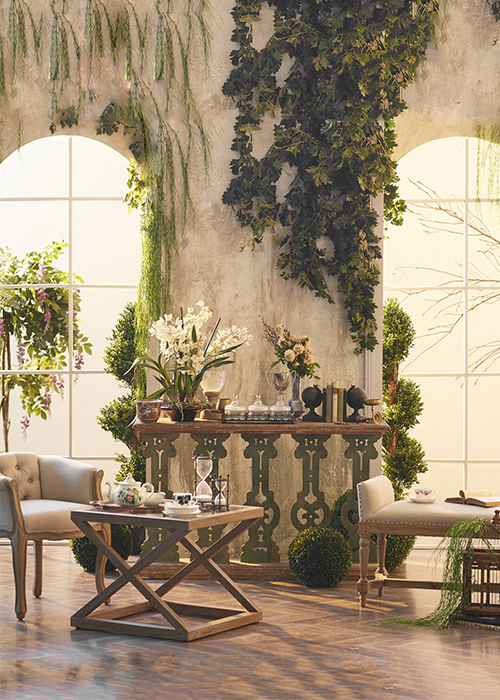
What is the difference between a conservatory and a sunroom?
Both a conservatory and sunroom form a part of the home, but they are structurally different. Much like a greenhouse, a conservatory features a glass roof and walls that let in as much sunlight as possible to keep residents (and their delicate plants) warm all year round. A sunroom is characterised by an opaque roof and large windows that face the best aspect for receiving winter rays without overheating in summer. In Australia, a north-facing sunroom is considered ideal.
How to get the conservatory look
Whether it's a garden-inspired sunroom with patterned wallpaper or a cosy nook in the sunshine, here's how to create a conservatory-inspired space in any home.
Make plants a major feature
Plants are a powerful design element that can create a seamless transition between outside and in. Use greenery to fill empty spaces, and don't be afraid to mix potted plants with taller trees that stretch to the ceiling. You can also employ vertical wall planters and hanging pots to incorporate foliage from every angle.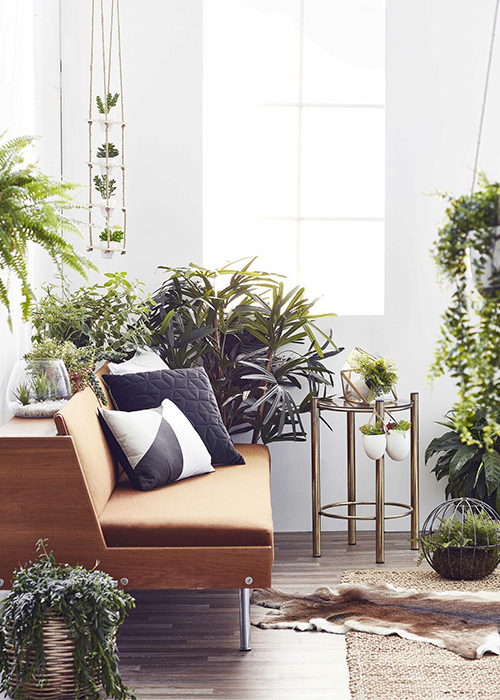
Extend nature with wallpaper and wall art
If your space has more walls than windows, nature-inspired wallpaper will deliver texture. With print options ranging from beautiful flannel flowers to gum leaves and tropical rainforest scenes, wallpaper lets you cultivate any type of flora inside the home. Peel and stick options give you the flexibility to change up the look, but for a less labour intensive way to decorate the walls, hang wall art that reflects the great outdoors.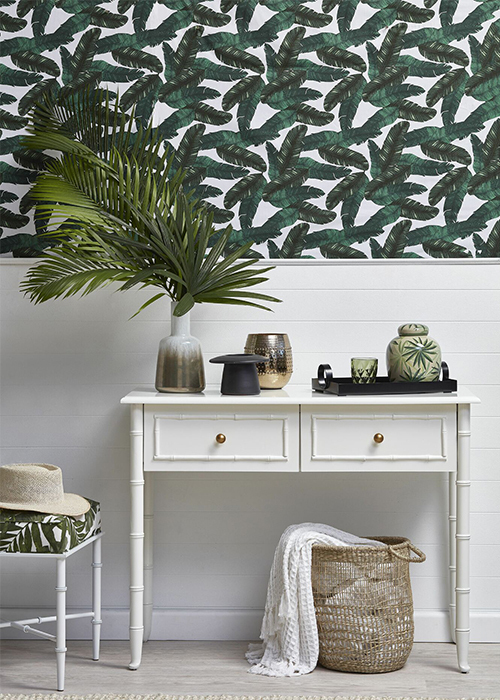
Seek out soft botanical decor
The walls of conservatories are made of glass, so botanical prints traditionally feature across upholstery and soft furnishings. You can do the same in a sunroom by introducing a patterned accent chair or styling your sofa with floral cushions. Conservatories also tend to have tile or concrete floors, making fabric sofas, throws and plush rugs popular for their ability to create a cosy space to relax.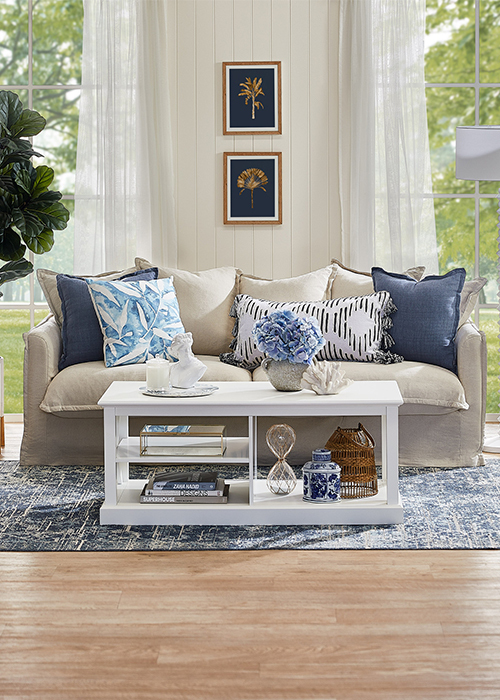
Embrace natural texture
If country-leaning prints and furniture aren't for you, go a more colonial route with pieces made from rattan or teak. When it comes to choosing furniture that suits an indoor-outdoor setting, don't forget to browse outdoor furniture options, from lounge sets to benches and daybeds, which often use these materials.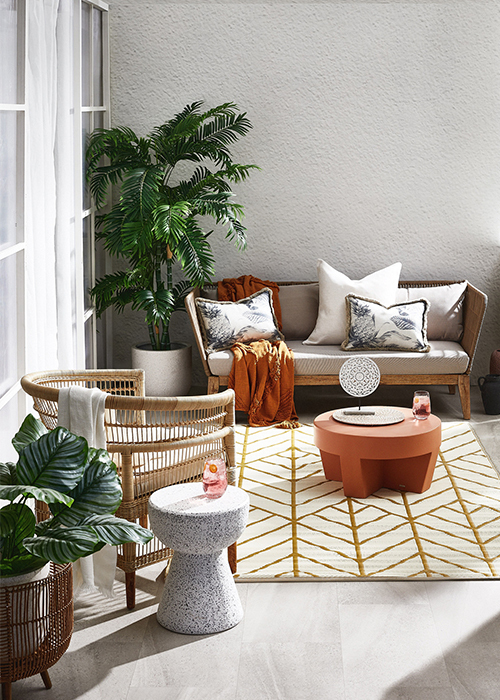
Use mirrors to add a sense of space and light
In lieu of a conservatory, sunroom, or floor-to-ceiling windows, a well-placed mirror can open up your space. A generous mirror positioned to reflect your view will bring the garden inside and bounce light into dark corners to give the illusion of extra depth.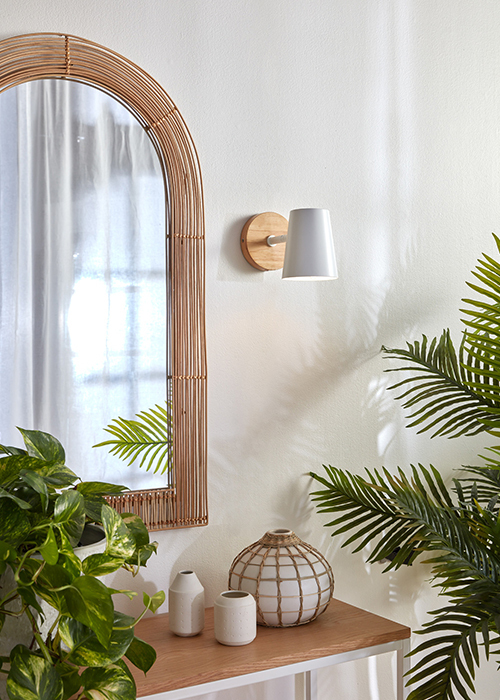

Explore More








Head Office (No Showroom)
2/1-7 Unwins Bridge Rd, St Peters,
NSW 2044, Australia
Your customer reference #:
01-X-CSN