



Updated 25 February 2021
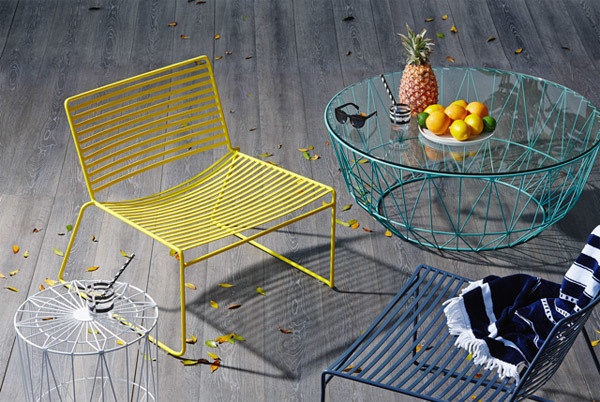
Design writer David Harrison, creator of the Design Daily app and blog, shares his tips on caring for your outdoor furniture to keep it looking good for longer.
Australians love spending time outdoors relaxing or entertaining, whether on a tiny balcony or a generous backyard. A necessary ingredient for this delightful scenario is, of course, outdoor furniture. Unlike interior items, which are designed to pass the odd stress and weight test and survive general carelessness, outdoor furniture has a far greater hurdle to clear – the natural elements. In an ideal world all furniture designed for outdoors would be made of sun, rain and salt spray resistant materials like titanium or concrete but most people like their furniture a little cheaper, softer and lighter, so we see timber, metal and plastic making up the materials used for the majority of outdoor products. These may not be maintenance free but a little regular light work can go a long way to increasing the life of your outdoor furniture. Here are some tips to do just that.
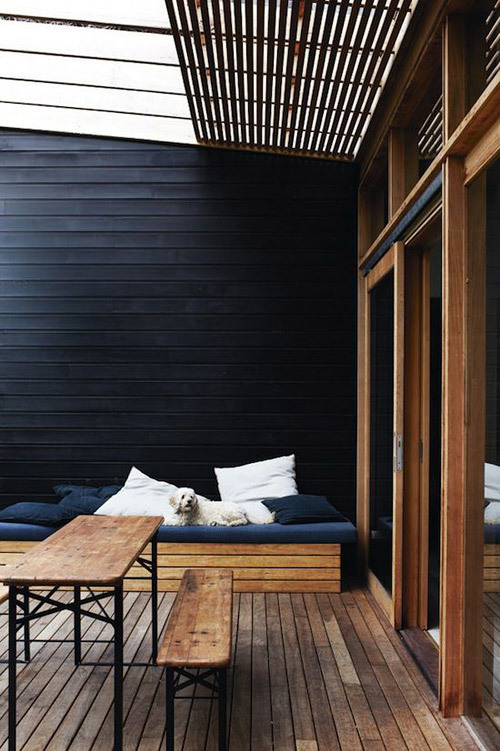
Image via our Outdoors Pinterest board.
Timber
Old timber furniture can be restored using special wood cleaning products to remove mould and ingrained dirt before re-oiling. Remember to wash off the cleaner with fresh water before reapplying new oil. If you do this once a year there will be no need to do any sanding.
Timber furniture left outdoor needs to be re-oiled every 6-12 months to keep its original appearance. All timbers will turn silver grey if left untreated and develop a greater chance of surface checking and splintering. Certain timbers are more prone to this than others – teak is one common outdoor timber that resists cracking due to its naturally oily and fine-grained structure. Some native Australian timbers are naturally longer lasting than others too. Spotted Gum is naturally more forgiving of direct sun exposure than the harder timbers like Grey Box and Ironbark which tend to develop surface cracks and splinters unless oiled regularly.
If you like the grey look but want to extend the life of your timber furniture just oil it annually after a light wash with soapy water.
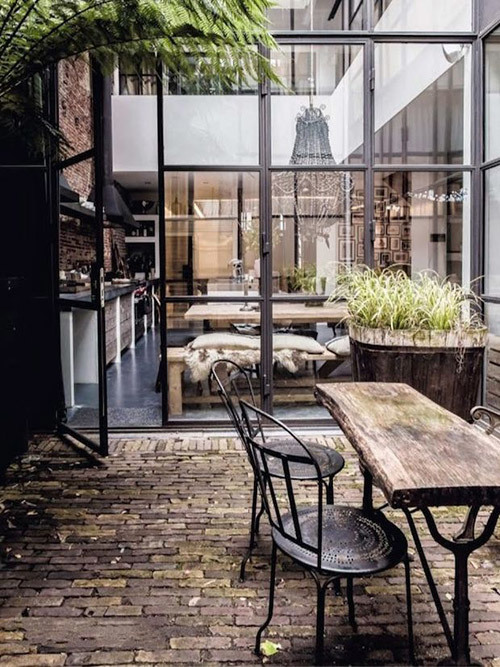
Image via our Outdoors Pinterest board.
Metal
All metal outdoor furniture lasts longer if kept clean of dirt and airborne pollution regardless of whether it's aluminium, powdercoated steel or stainless steel. Wash down frames every 6 months with mild soapy water.
Coated metal furniture will corrode if allowed to sit in long grass, dirt or leaves for long periods. Keeping water from sitting in any joints or where feet caps meet legs is key to making painted steel furniture last. Damp shady spots will cause the furniture to rust more quickly. Minor scratches or chips in the paint can lead to corrosion also. Touch ups can be done with automotive spray paint (it comes in a wide variety of colours). Do so before rust gets a hold or remove as much rust as possible before doing any touch ups.
'Tea' staining on stainless steel is a common complaint in seaside areas. Unavoidable, this natural oxidization of the metal is not harmful to the furniture but can be unsightly. Regular washing down will keep it to a minimum and there are stainless cleaners designed specifically to address the problem. Higher quality marine grade (316) stainless steel is less prone to oxidisation and is the best choice if the furniture is situated near salt spray.
Plastic
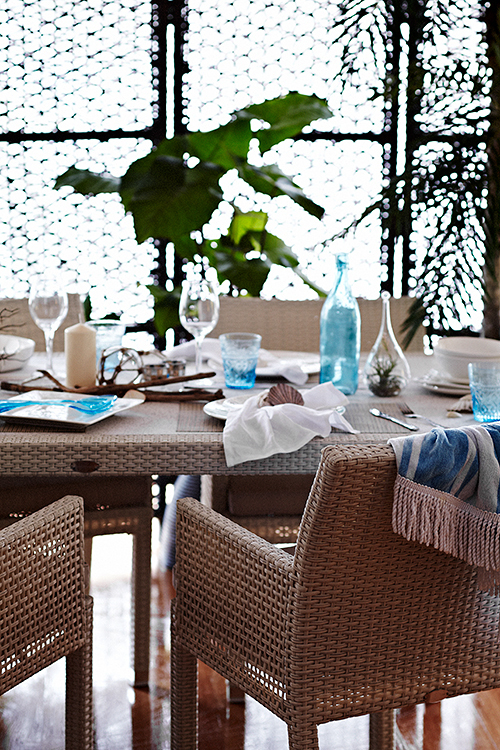
Plastics suffer from UV breakdown more than anything else. Leaving them in full sun year round will shorten the life span, creating either a crazing of the surface or a dull white chalkiness over time. This can lead to the furniture becoming brittle. Wash plastic furniture down periodically with soapy water and avoid leaving in direct afternoon sun year round.
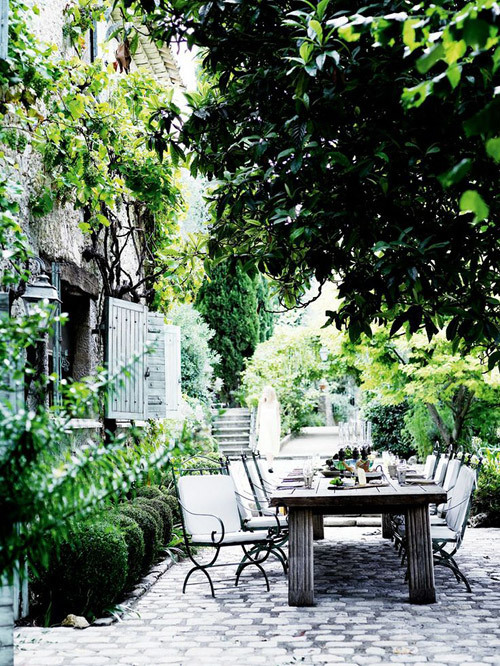
Image via our Outdoors Pinterest board.
TOP TIPS
How to care for outdoor furniture
Design writer David Harrison, creator of the Design Daily app and blog, shares his tips on caring for your outdoor furniture to keep it looking good for longer.
Australians love spending time outdoors relaxing or entertaining, whether on a tiny balcony or a generous backyard. A necessary ingredient for this delightful scenario is, of course, outdoor furniture. Unlike interior items, which are designed to pass the odd stress and weight test and survive general carelessness, outdoor furniture has a far greater hurdle to clear – the natural elements. In an ideal world all furniture designed for outdoors would be made of sun, rain and salt spray resistant materials like titanium or concrete but most people like their furniture a little cheaper, softer and lighter, so we see timber, metal and plastic making up the materials used for the majority of outdoor products. These may not be maintenance free but a little regular light work can go a long way to increasing the life of your outdoor furniture. Here are some tips to do just that.
Image via our Outdoors Pinterest board.
Timber
Old timber furniture can be restored using special wood cleaning products to remove mould and ingrained dirt before re-oiling. Remember to wash off the cleaner with fresh water before reapplying new oil. If you do this once a year there will be no need to do any sanding.
Timber furniture left outdoor needs to be re-oiled every 6-12 months to keep its original appearance. All timbers will turn silver grey if left untreated and develop a greater chance of surface checking and splintering. Certain timbers are more prone to this than others – teak is one common outdoor timber that resists cracking due to its naturally oily and fine-grained structure. Some native Australian timbers are naturally longer lasting than others too. Spotted Gum is naturally more forgiving of direct sun exposure than the harder timbers like Grey Box and Ironbark which tend to develop surface cracks and splinters unless oiled regularly.
If you like the grey look but want to extend the life of your timber furniture just oil it annually after a light wash with soapy water.
Image via our Outdoors Pinterest board.
Metal
All metal outdoor furniture lasts longer if kept clean of dirt and airborne pollution regardless of whether it's aluminium, powdercoated steel or stainless steel. Wash down frames every 6 months with mild soapy water.
Coated metal furniture will corrode if allowed to sit in long grass, dirt or leaves for long periods. Keeping water from sitting in any joints or where feet caps meet legs is key to making painted steel furniture last. Damp shady spots will cause the furniture to rust more quickly. Minor scratches or chips in the paint can lead to corrosion also. Touch ups can be done with automotive spray paint (it comes in a wide variety of colours). Do so before rust gets a hold or remove as much rust as possible before doing any touch ups.
'Tea' staining on stainless steel is a common complaint in seaside areas. Unavoidable, this natural oxidization of the metal is not harmful to the furniture but can be unsightly. Regular washing down will keep it to a minimum and there are stainless cleaners designed specifically to address the problem. Higher quality marine grade (316) stainless steel is less prone to oxidisation and is the best choice if the furniture is situated near salt spray.
Plastic
Plastics suffer from UV breakdown more than anything else. Leaving them in full sun year round will shorten the life span, creating either a crazing of the surface or a dull white chalkiness over time. This can lead to the furniture becoming brittle. Wash plastic furniture down periodically with soapy water and avoid leaving in direct afternoon sun year round.
Image via our Outdoors Pinterest board.
TOP TIPS
- Keeping more delicate outdoor furniture under verandahs or awnings will increase the life of your outdoor furniture by many years. Less durable products like natural cane should be kept out of direct weather.
- Outdoor fabrics are designed to handle the odd soaking by rain and long periods of sunshine but for a greatly increased life span try to remember to bring outdoor cushions inside as often as possible. Standard grade upholstery will go mouldy and eventually rot if used outside. It will also fade with alarming speed. Specify only proper outdoor fabrics for any cushions or seating pads.
- High-rise apartment balconies can experience very strong winds. It is recommended that furniture chosen for this application be heavy to avoid being blown away! Some light plastic items offer water or sand filling options for this reason. In inner city areas black airborne deposits of diesel, brake pad and road dust particles, will become ingrained in the surface unless washed off periodically.
- Leaf tannin stains are a common problem in Australia. Gum tree leaves that drop onto furniture should be swept off as often as possible to prevent the tannin from marking timber, stone or plastic.
Explore More








Head Office (No Showroom)
2/1-7 Unwins Bridge Rd, St Peters,
NSW 2044, Australia
Your customer reference #:
01-X-CSN