



Updated 26 February 2021
Bend your thinking with Plyroom
Plyroom is about good design, made to last. Watch as the 'Ava' cot transforms to a bed and then a desk and a picture will emerge about flexibility and adaptability. Visually appealing as well as both light and strong, it is flat packed and put together without screws. Founder Elise Heslop tells us more.
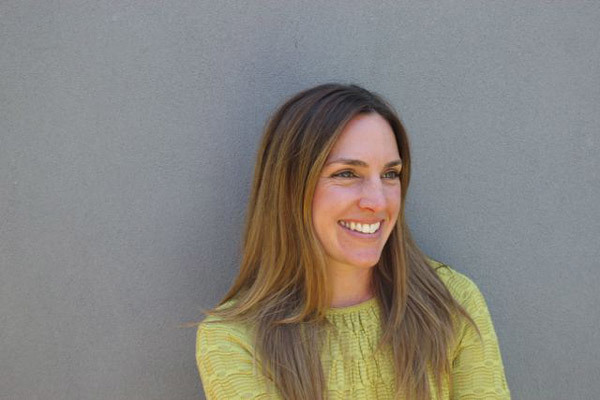
Luck would have it that at the same time I met some really interesting designers in nearby Milan who were passionate about flexible and sustainable design, and the idea for Plyroom grew from there.
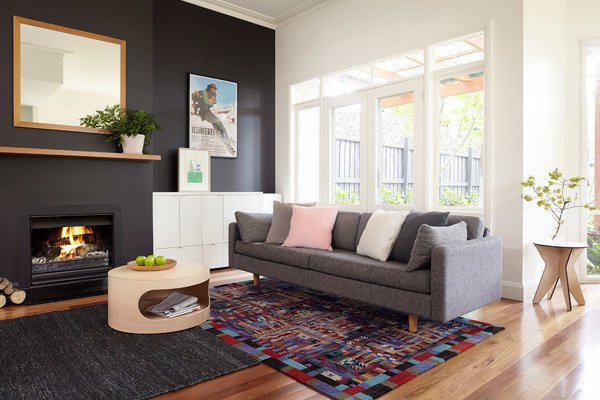
What attracted you to plywood in particular?
We love the strength and flexibility of ply as a manufacturing process, and when it's coupled with a high quality timber such as Birch or Beech, it creates an incredibly strong and beautiful material. Many of our customers are really surprised at how sturdy and strong our furniture is when they test it out. This balance between its visual lightness and the surprise of its strength is what I love about it.
Because of the way it is made, ply doesn't warp, swell or shrink like other 'manufactured' wood products such as MDF or particle board or even solid wood. It also has a very high strength to weight ratio which mean it's relatively light in comparison to MDF and solid timber - this comes in useful when considering multi purpose furniture as it means the completed furniture is lighter than furniture made of other materials and therefore easy to move. Perfect for disassembling when moving house or renovating.
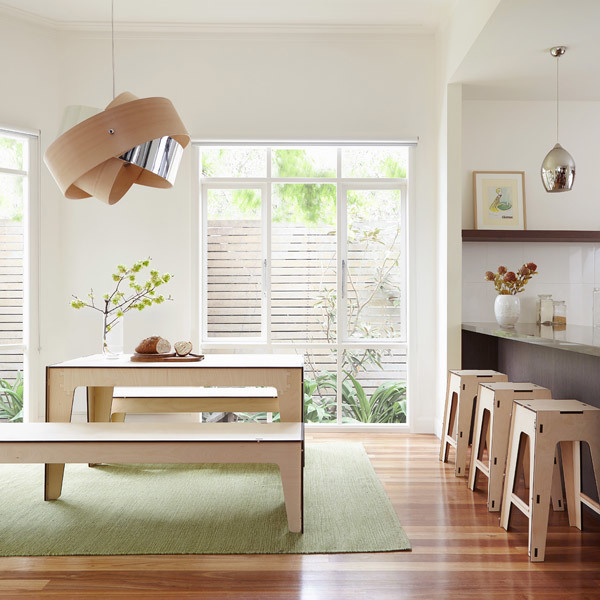
Your products are designed and made in Italy. Do you think the Italian approach to interiors/furniture differs to ours?
I think Europeans have a knack of making spaces and furniture work more efficiently in small spaces. We are very lucky to have a lot of space, and our homes reflect this, however all that space can mean we are a bit less creative when it comes to maximising what we have, because we have so much of it.
Europeans also seem to keep pieces from one generation to the next and make them work in their space, without worrying too much about matching everything, or fitting into a certain style or trend. There is definitely a lovely balance between heritage and aesthetics which I find appealing as it adds an honesty/genuineness to interiors.
Having said that, Australian interiors can have a wonderful optimism, the way we marry beautiful finishes with use of colour is really unique. This style is certainly complementary to our range, and having worked with our partners on several of the designs to make them right for Australia, we have a good mix of both the European and Australian design approach.
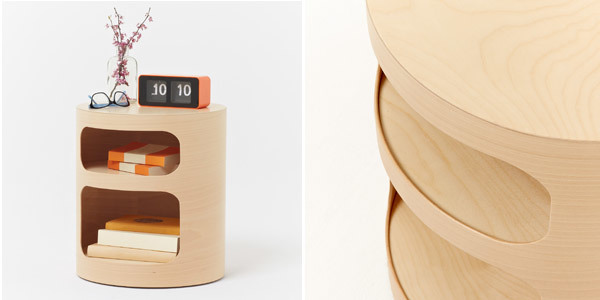
Many of your furniture pieces can be adapted over time as the child grows. Is this an important consideration when sourcing your products?
Absolutely. Having been through the 'giving away of the cot' ceremony and changing our children's bedrooms, it struck me how much 'stuff' we accumulate and then try to get rid of as we pass through different life stages. Ensuring that we have pieces that are adaptable, both in use and style is really important. We love that our pieces create the perfect canvas for so many of our customers' individual styles, from Scandi-inspired minimalism, to eclectic colour and texture.
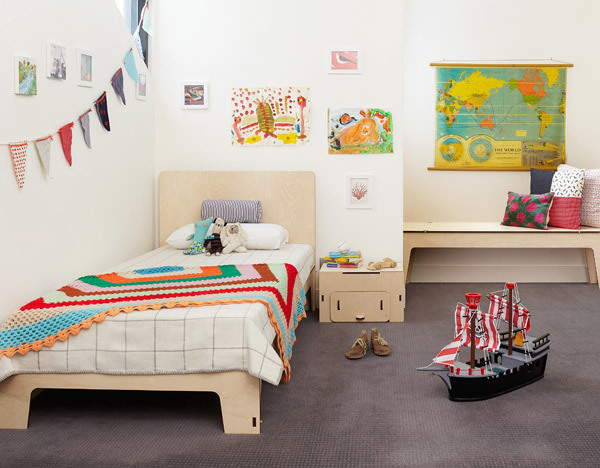
What do you think are the key considerations when designing/decorating a child's room?
1. Kids are explorers, so don't try too hard to make it matchy-matchy because you will end up being frustrated when it's not looking perfect and they are pulling things out of boxes on the hunt for their fave dinosaur or tutu.
2. Give them a small opportunity to be involved, and make a big deal out of it. Choosing their favourite colour and incorporating it in soft furnishings is a great way to get them involved and give them ownership over the space without them having total creative control!
3. For the investment pieces, select pieces that will stand the test of time and won't go out of favour as soon as their tastes change. Rugs, bedlinen, lamps, artwork, and other finishing touches are a great way to add an individual style and are easy and affordable to move around.
What is the story behind Plyroom – how did you come to start the business?
Luck would have it that at the same time I met some really interesting designers in nearby Milan who were passionate about flexible and sustainable design, and the idea for Plyroom grew from there.
What attracted you to plywood in particular?
We love the strength and flexibility of ply as a manufacturing process, and when it's coupled with a high quality timber such as Birch or Beech, it creates an incredibly strong and beautiful material. Many of our customers are really surprised at how sturdy and strong our furniture is when they test it out. This balance between its visual lightness and the surprise of its strength is what I love about it.
Because of the way it is made, ply doesn't warp, swell or shrink like other 'manufactured' wood products such as MDF or particle board or even solid wood. It also has a very high strength to weight ratio which mean it's relatively light in comparison to MDF and solid timber - this comes in useful when considering multi purpose furniture as it means the completed furniture is lighter than furniture made of other materials and therefore easy to move. Perfect for disassembling when moving house or renovating.
Your products are designed and made in Italy. Do you think the Italian approach to interiors/furniture differs to ours?
I think Europeans have a knack of making spaces and furniture work more efficiently in small spaces. We are very lucky to have a lot of space, and our homes reflect this, however all that space can mean we are a bit less creative when it comes to maximising what we have, because we have so much of it.
Europeans also seem to keep pieces from one generation to the next and make them work in their space, without worrying too much about matching everything, or fitting into a certain style or trend. There is definitely a lovely balance between heritage and aesthetics which I find appealing as it adds an honesty/genuineness to interiors.
Having said that, Australian interiors can have a wonderful optimism, the way we marry beautiful finishes with use of colour is really unique. This style is certainly complementary to our range, and having worked with our partners on several of the designs to make them right for Australia, we have a good mix of both the European and Australian design approach.
Many of your furniture pieces can be adapted over time as the child grows. Is this an important consideration when sourcing your products?
Absolutely. Having been through the 'giving away of the cot' ceremony and changing our children's bedrooms, it struck me how much 'stuff' we accumulate and then try to get rid of as we pass through different life stages. Ensuring that we have pieces that are adaptable, both in use and style is really important. We love that our pieces create the perfect canvas for so many of our customers' individual styles, from Scandi-inspired minimalism, to eclectic colour and texture.
What do you think are the key considerations when designing/decorating a child's room?
1. Kids are explorers, so don't try too hard to make it matchy-matchy because you will end up being frustrated when it's not looking perfect and they are pulling things out of boxes on the hunt for their fave dinosaur or tutu.
2. Give them a small opportunity to be involved, and make a big deal out of it. Choosing their favourite colour and incorporating it in soft furnishings is a great way to get them involved and give them ownership over the space without them having total creative control!
3. For the investment pieces, select pieces that will stand the test of time and won't go out of favour as soon as their tastes change. Rugs, bedlinen, lamps, artwork, and other finishing touches are a great way to add an individual style and are easy and affordable to move around.
Explore More








Head Office (No Showroom)
2/1-7 Unwins Bridge Rd, St Peters,
NSW 2044, Australia
Your customer reference #:
01-X-CSN